How to Identify Halal and Haram Ingredients
For Muslims, eating Halal food is an important part of following Islamic teachings. The word Halal means permissible or lawful, while Haram refers to anything that is forbidden in Islam. Although avoiding obvious Haram foods such as pork and alcohol is straightforward, identifying Halal and Haram ingredients in modern packaged foods can sometimes be challenging. Many processed foods contain complex ingredients, additives, and flavorings that may come from different sources. Understanding how to identify these ingredients can help Muslims make informed and confident food choices.
Understanding the Difference Between Halal and Haram
Before identifying specific ingredients, it is important to understand the basic concept of Halal and Haram. Halal food includes items that are allowed for Muslims to consume according to Islamic law. This typically includes plant-based foods, seafood, and meat from animals that have been slaughtered according to Islamic guidelines.
Haram foods, on the other hand, include pork and all pork products, alcohol and intoxicating substances, and animals that were not slaughtered in accordance with Islamic principles. Any ingredient derived from these sources is also considered Haram.
By knowing these basic rules, Muslims can start identifying whether a food product may contain permissible or forbidden ingredients.
Carefully Reading Food Labels
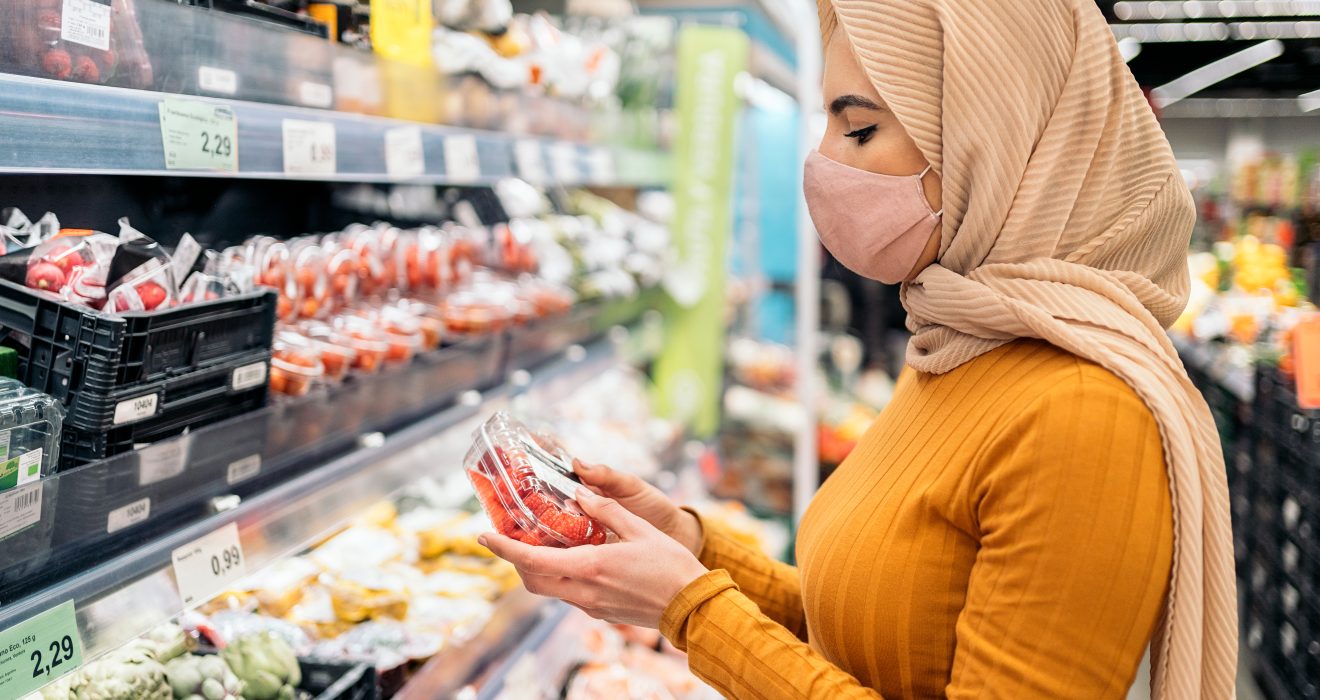
One of the most important ways to identify Halal and Haram ingredients is by carefully reading food labels. Most packaged foods include a detailed list of ingredients used in the product. This list can help consumers determine whether the food contains any substances that are not Halal.
For example, if the ingredient list mentions pork fat, lard, bacon flavoring, or alcohol, the product would be considered Haram. However, some ingredients may appear under scientific or technical names, which makes it necessary to become familiar with common food additives and their sources.
Reading labels carefully allows Muslim consumers to avoid hidden Haram ingredients in processed foods.
Recognizing Common Haram Ingredients
Some ingredients commonly found in processed foods may not always be Halal. For example, gelatin is often used in desserts, candies, marshmallows, and yogurt. If the gelatin comes from pigs or animals that were not slaughtered according to Islamic guidelines, it is considered Haram.
Another example is lard, which is fat derived from pigs and is used in some baked goods and fried foods. Alcohol-based flavorings, such as certain vanilla extracts, can also make a product Haram.
In addition, some food additives like emulsifiers and stabilizers may come from animal sources. If these sources are not Halal, the ingredient may also be considered forbidden.
Understanding Food Additives and E-Numbers
Many packaged foods include additives that are identified by E-numbers, especially in international products. These additives are used for preservation, coloring, flavor enhancement, and texture improvement.
Some E-numbers are plant-based and Halal, while others may be derived from animal sources. For example, emulsifiers like E471 (mono- and diglycerides of fatty acids) can come from either plant oils or animal fats. If the source is animal-based and not Halal-certified, the ingredient may be considered questionable.
Because the source is not always clear, Muslims often choose products with Halal certification to avoid uncertainty.
Checking for Halal Certification
Halal certification is one of the easiest ways to identify whether a product is suitable for Muslim consumption. Many food manufacturers work with recognized Halal certification organizations that inspect ingredients, production processes, and storage methods.
When a product carries a Halal certification label, it means that experts have verified that the product meets Islamic dietary standards. This helps Muslim consumers confidently choose foods without worrying about hidden Haram ingredients.
Halal certification is particularly useful for processed foods, snacks, beverages, and restaurant meals where ingredient sources may not be obvious.
Asking Questions When Dining Out
Identifying Halal and Haram ingredients is not limited to grocery shopping. When eating at restaurants or ordering takeout, Muslims may need to ask questions about how food is prepared.
For example, it is important to know whether the meat is Halal-certified, whether alcohol is used in sauces, and whether the same kitchen equipment is used for cooking pork products. Many restaurants now offer Halal options and are happy to provide information about their ingredients and preparation methods.
Asking questions ensures that Muslims can enjoy their meals while maintaining their dietary principles.
Increasing Awareness About Halal Food
As the global demand for Halal food grows, more companies are becoming aware of the importance of clear labeling and Halal certification. Many supermarkets now have dedicated Halal sections, and food brands are increasingly offering Halal-friendly products.
Online resources and mobile apps also help Muslim consumers check whether certain ingredients or additives are Halal or Haram. These tools make it easier than ever to make informed food choices.
Conclusion
Identifying Halal and Haram ingredients is an essential skill for Muslims who want to follow Islamic dietary guidelines. By understanding the difference between Halal and Haram, reading food labels carefully, recognizing common forbidden ingredients, and looking for Halal certification, consumers can make confident decisions about what they eat.
In today’s world of processed foods and complex ingredients, awareness and knowledge play a key role in maintaining a Halal lifestyle. With careful attention and informed choices, Muslims can ensure that their meals remain consistent with their faith and values.