





• Easy Ways to Cook Halal Food at Home

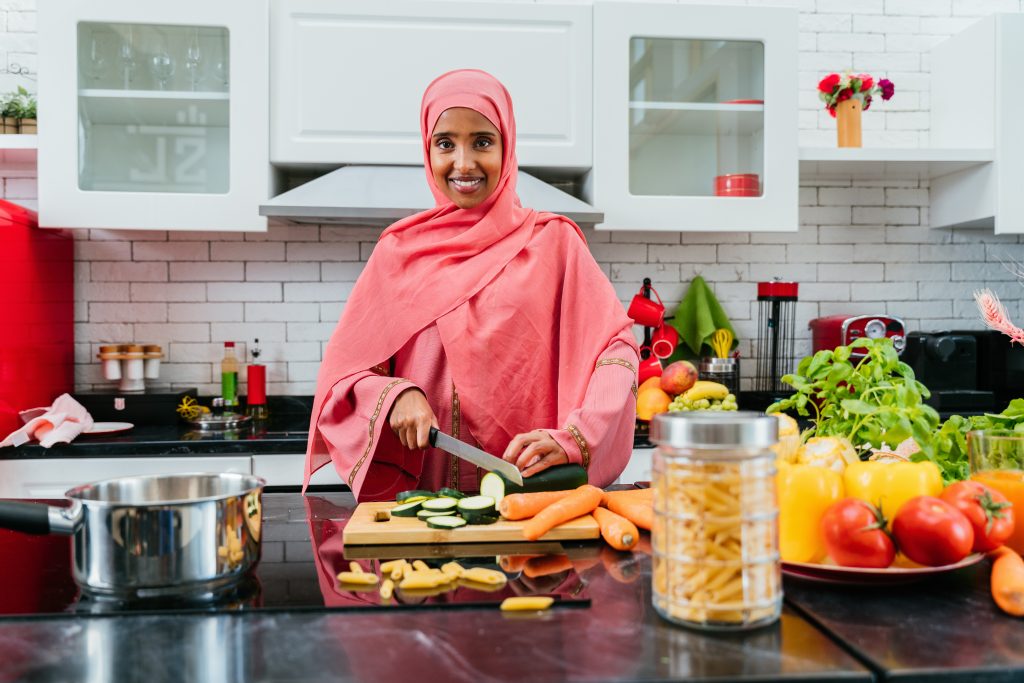
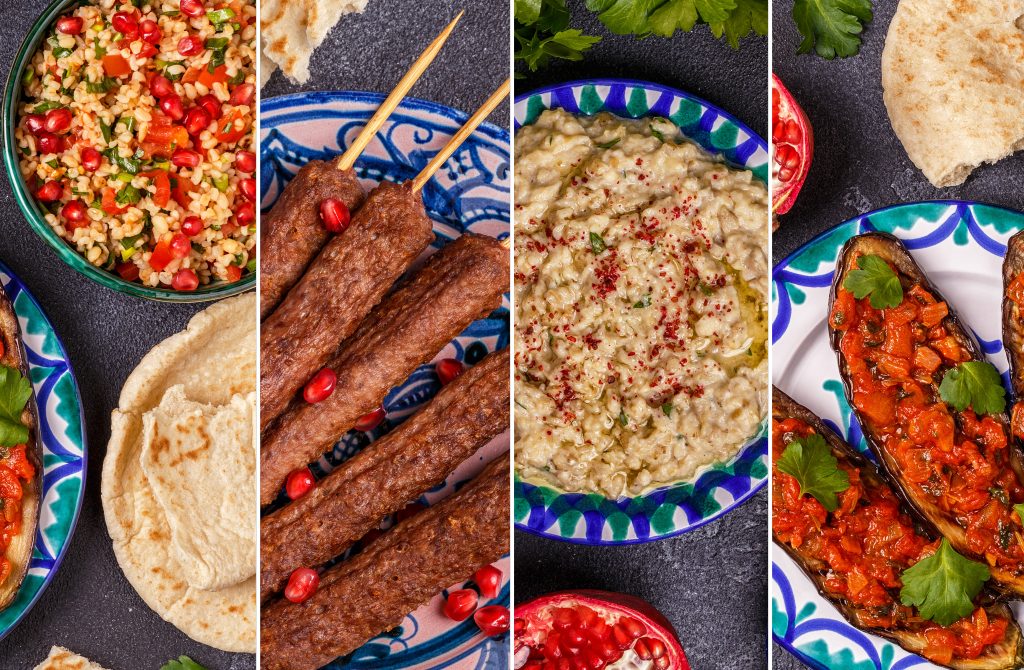
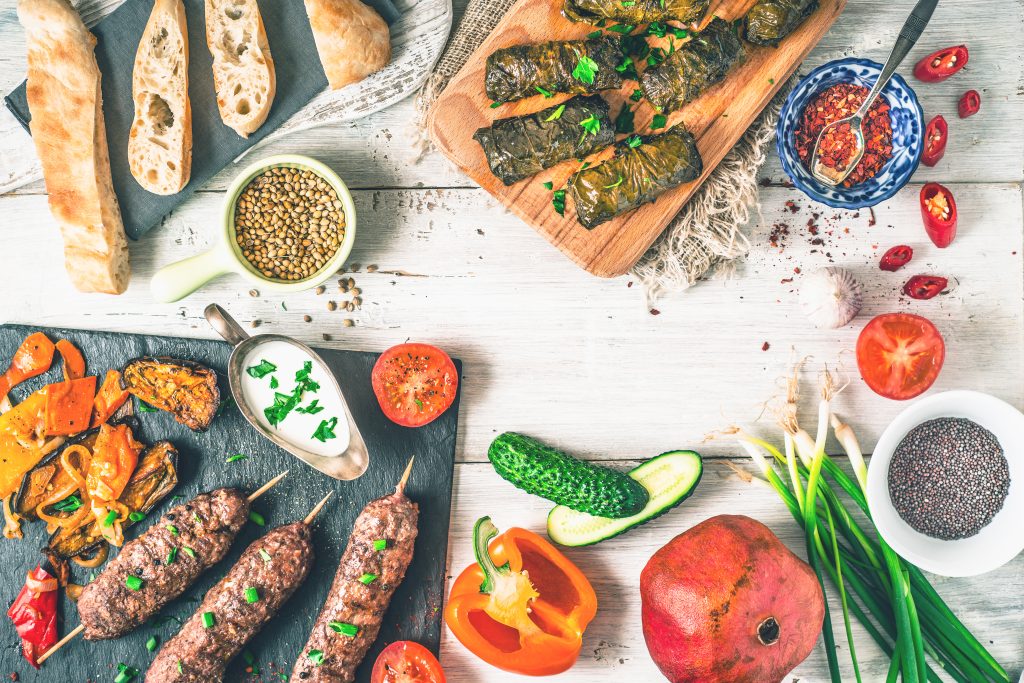
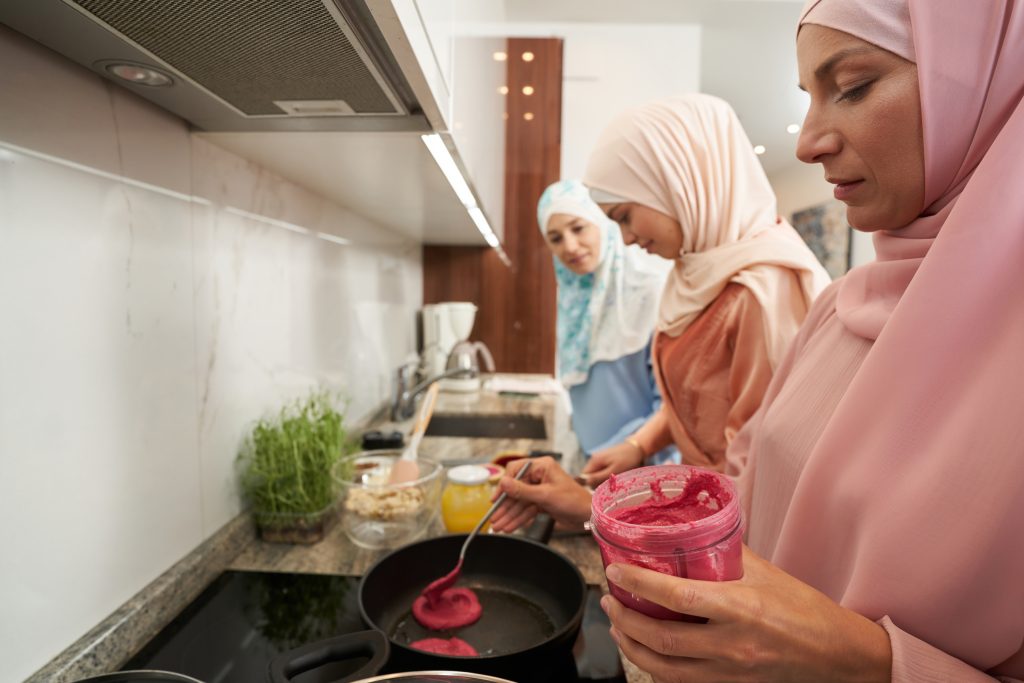
    Cooking Halal food at home doesn’t have to be complicated. With the right ingredients, techniques, and planning, you can prepare delicious meals that are compliant with Islamic dietary laws while saving time and money. From everyday family dinners to quick snacks and international dishes, this guide provides easy ways to cook Halal food at home.

  • How to Choose Authentic Halal Meat

    How to Choose Authentic Halal Meat

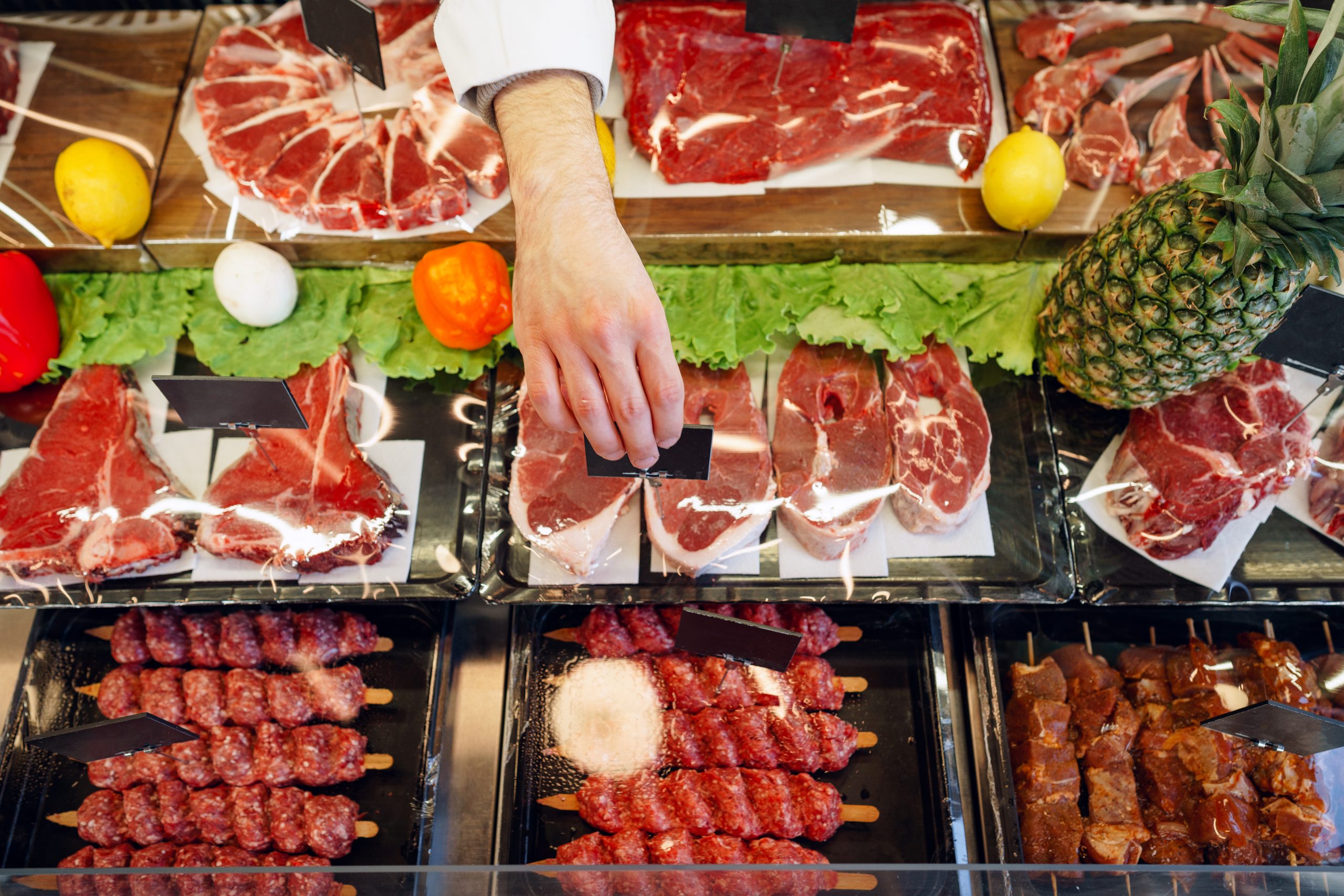
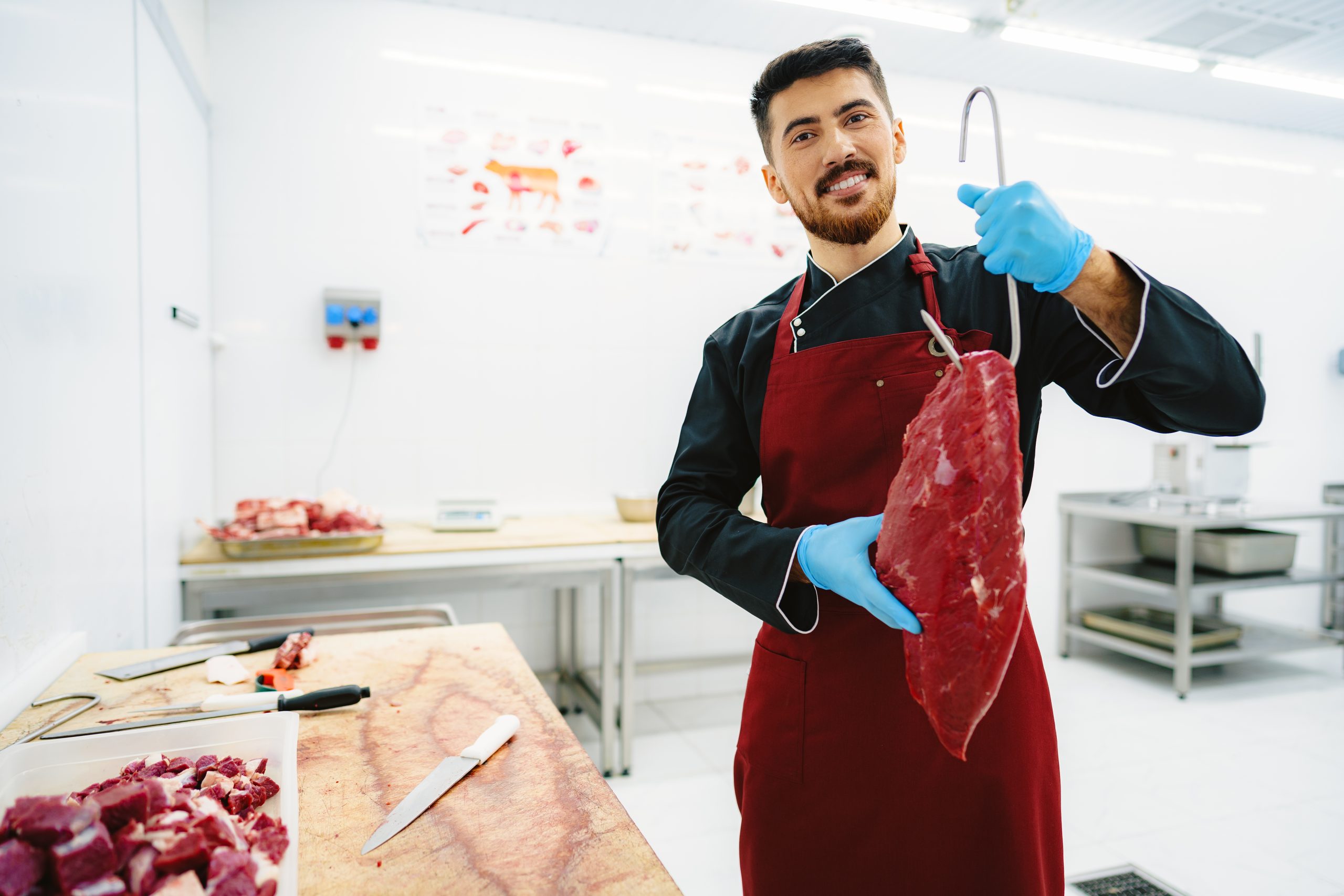
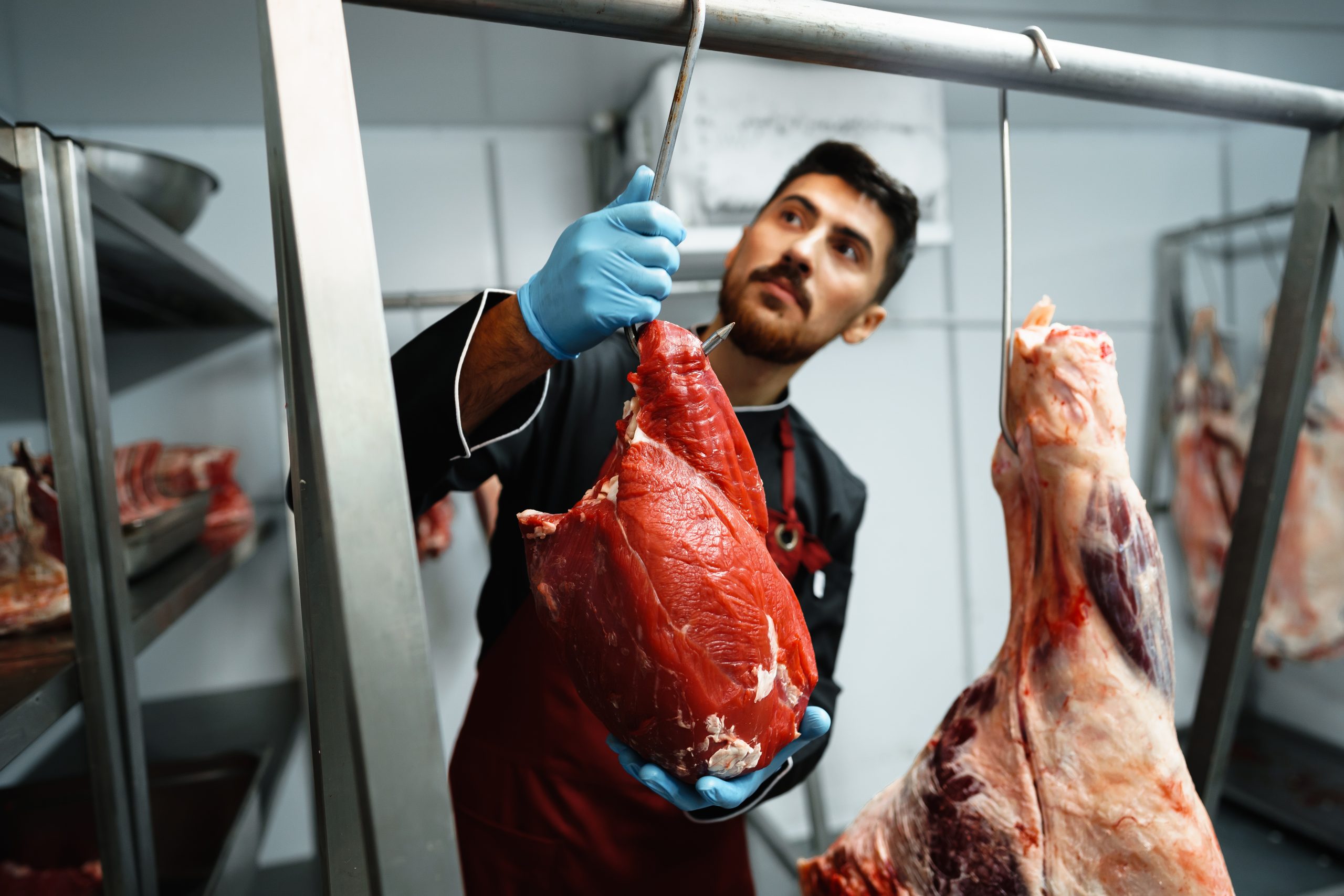
    Halal meat is not just about dietary preference—it is about religious compliance, ethical sourcing, and food safety. For Muslims and conscientious consumers worldwide, choosing authentic Halal meat ensures that the food meets Islamic law (Shariah), comes from healthy and ethically treated animals, and avoids contamination with Haram (forbidden) products. With the growing Halal food market, however, identifying authentic Halal meat can be challenging. This guide will provide practical tips and insights for choosing genuine Halal meat.

    Understanding What Halal Meat Means

    Halal meat refers to meat that has been slaughtered and prepared according to Islamic law. Key principles include:

    The animal must be permissible (Halal) for consumption, such as cows, goats, sheep, and poultry. Pork and its by-products are strictly prohibited.

    The slaughter must be done by a mentally competent Muslim who invokes the name of Allah at the time of slaughter.

    The animal must be alive and healthy at the time of slaughter and treated humanely throughout its life.

    Blood must be fully drained from the carcass, as consuming blood is forbidden in Islam.

    Halal meat is not only a religious requirement but often reflects higher standards of hygiene, ethical treatment, and food safety.

    1. Look for Recognized Halal Certification

    The easiest way to ensure authenticity is to purchase meat from certified Halal sources. Consider:

    Local Certification Authorities: Many countries have official Halal certification bodies, such as JAKIM in Malaysia, MUIS in Singapore, or IFANCA in the USA.

    Packaging Labels: Look for logos or seals from recognized Halal authorities on packaged meat.

    Digital Verification: Some certifications now provide QR codes or websites to verify the product’s Halal status.

    Tip: Avoid relying solely on store claims. Not all meat labeled “Halal” is verified by recognized authorities.

    2. Choose Reputable Butchers and Retailers

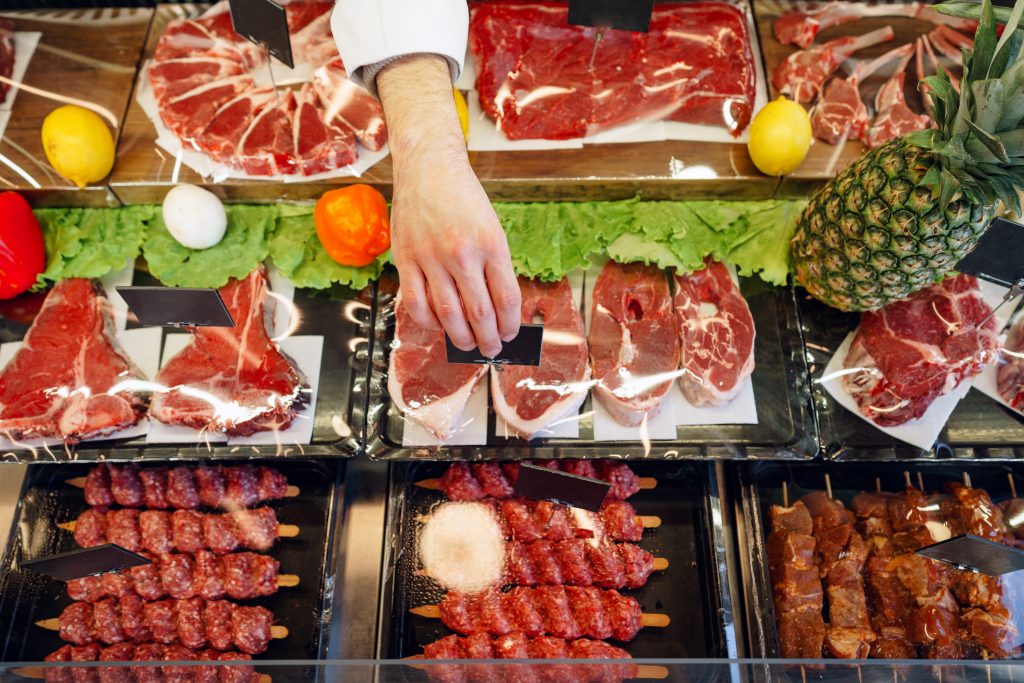
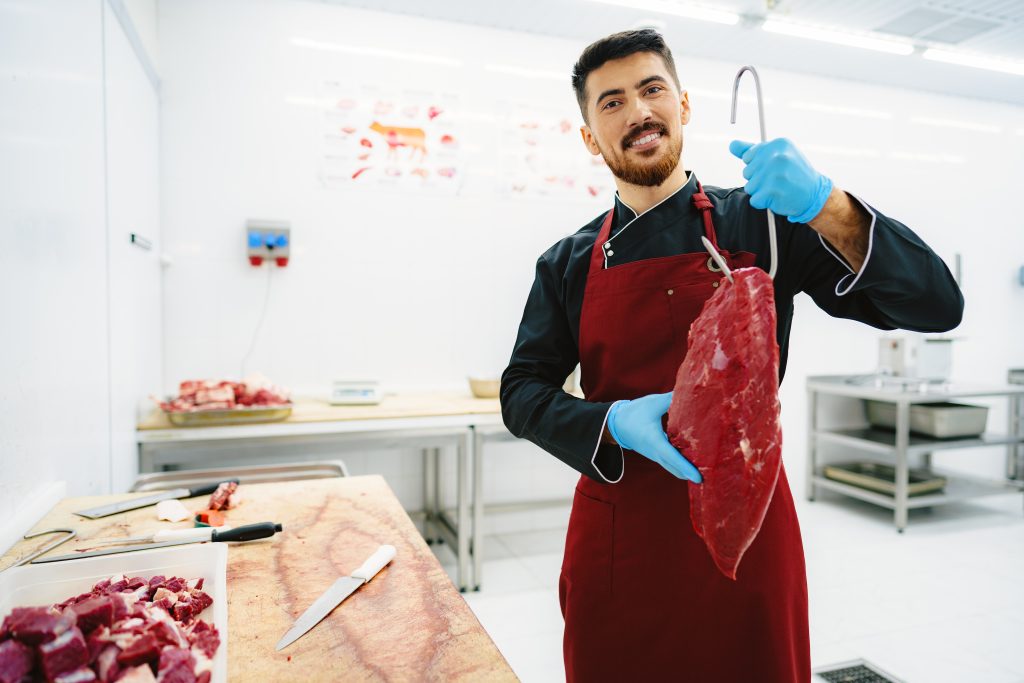
    Purchasing meat from trusted butchers or Halal-certified stores increases the chances of authenticity:

    Specialized Halal Butchers: These shops focus entirely on Halal products and maintain strict separation from non-Halal meat.

    Known Chains: Established grocery chains with recognized Halal certification systems are generally reliable.

    Word of Mouth: Recommendations from community members or trusted friends can guide you to reliable sources.

    Tip: Visit the butcher or retailer to observe hygiene, handling practices, and transparency about their certification.

    3. Inspect Meat Quality

    Authentic Halal meat should also meet quality and freshness standards:

    Appearance: Fresh meat should have a natural color (bright red for beef, pinkish for chicken) without dark spots or excessive moisture.

    Smell: There should be no foul odor; fresh Halal meat has a clean, slightly sweet smell.

    Texture: Meat should be firm and spring back when pressed lightly. Avoid meat that feels slimy or sticky.

    Packaging: Vacuum-sealed or well-wrapped meat reduces contamination risk.

    High-quality Halal meat not only aligns with religious requirements but also ensures better taste and safety.

    4. Verify Slaughter Practices

    When possible, verify how the animal was slaughtered:

    Separate Slaughtering Area: Authentic Halal meat should never be cross-contaminated with non-Halal meat.

    Proper Invocation: Ensure that the name of Allah was invoked at the time of slaughter.

    Draining of Blood: The animal should be bled completely, as improper bleeding can render meat non-Halal.

    Some certified butchers display slaughtering certificates or inspection reports, which can give additional assurance.

    5. Consider Sourcing and Animal Welfare

    Ethical sourcing is an essential aspect of authentic Halal meat:

    Animals should be raised in clean, humane conditions, with proper feed and access to water.

    Avoid meat from suppliers that use intensive factory farming methods without regard for welfare.

    Organic or grass-fed options often align with both Halal principles and higher quality standards.

    Choosing meat from ethical sources not only ensures compliance but also enhances flavor and health benefits.

    6. Stay Updated on Halal Standards

    The Halal industry is evolving with new certifications, regulations, and international trade standards:

    Many countries now require strict labeling and digital verification of Halal meat.

    International standards, such as those issued by the Gulf Cooperation Council Standardization Organization (GSO), provide global consistency in Halal compliance.

    Keep an eye on local Halal authority announcements to ensure your suppliers are certified under the latest rules.

    Being informed helps you avoid uncertified or questionable meat, especially when buying imported products.

    7. Trust Your Senses and Community

    While certification is critical, trust your senses and community recommendations:

    If meat smells off, looks discolored, or is stored improperly, do not purchase it.

    Communities often share tips on which shops or brands consistently provide authentic Halal meat.

    Engage with local mosques or Halal associations to find verified suppliers.

    Consumer vigilance complements official certification and ensures the integrity of your meals.

    Conclusion

    Choosing authentic Halal meat requires awareness, vigilance, and reliance on trusted sources. By selecting certified suppliers, inspecting meat quality, verifying slaughter practices, and considering ethical sourcing, you can confidently serve Halal meals that comply with Islamic law.

    As the global Halal industry grows, technology and certification systems are making it easier than ever to verify authenticity. For families, restaurants, and food businesses, investing time and effort in sourcing genuine Halal meat ensures religious compliance, food safety, and high-quality dining experiences.

  • Halal Meat vs Non-Halal Meat Explained

    Understanding the difference between Halal meat and non-Halal meat is essential for Muslims, food businesses, and health-conscious consumers. Beyond religious requirements, Halal meat often emphasizes ethical treatment, hygiene, and food safety, while non-Halal meat may not follow these standards. This guide explains the distinctions, why they matter, and how to choose the right meat for your diet.

  • Understanding Halal Slaughter Process

    Understanding the Halal Slaughter Process

    The Halal slaughter process is a fundamental aspect of Islamic dietary law, ensuring that meat is permissible (Halal) for consumption. Beyond religious compliance, it emphasizes ethical treatment of animals, hygiene, and food safety. Understanding the process helps Muslims make informed choices and allows consumers worldwide to appreciate the principles behind Halal meat.

    What Is Halal Slaughter?

    Halal slaughter, also known as Zabiha, is the method prescribed in Islam to prepare animals for consumption. It is governed by specific rules derived from the Qur’an and Hadith and must be performed humanely, consciously, and with proper invocation of Allah’s name.

    Key principles include:

    Permissible Animals: Only animals allowed in Islam, such as cows, sheep, goats, and poultry, are Halal. Pork, carnivorous animals, and other prohibited species are Haram.

    Qualified Slaughterer: A mentally competent Muslim must perform the slaughter.

    Invocation of Allah: The name of Allah (Bismillah) is recited at the time of slaughter.

    Complete Blood Drainage: Blood must be fully drained from the carcass, as consuming blood is forbidden.

    Ethical Treatment: The animal must be alive and healthy at the time of slaughter and treated with care and respect.

    Step-by-Step Halal Slaughter Process
    1. Animal Preparation

    Animals are kept calm and healthy before slaughter. Stress is minimized to ensure humane treatment and better meat quality. Animals are provided with clean water and proper feed.

    2. Positioning the Animal

    The animal is positioned to allow for a swift and humane cut. Traditional practice involves laying the animal on its left side facing the Qiblah (direction of Mecca). This aligns the act with religious observance and ensures respect for the animal.

    3. The Slaughter Cut

    The throat, windpipe, and blood vessels in the neck are cut with a sharp knife in a single motion. The spinal cord should not be severed, as the aim is to allow blood to drain quickly while minimizing suffering.

    A sharp knife is essential to reduce pain.

    The cut severs major arteries and veins, ensuring rapid bleeding.

    The name of Allah is pronounced at the moment of the cut, acknowledging the act as religiously compliant.

    4. Blood Drainage

    The blood is allowed to drain completely from the animal. This step is critical because consuming blood is prohibited in Islam and may contain harmful bacteria if not fully removed.

    5. Post-Slaughter Handling

    After slaughter, the meat is handled in a clean and hygienic environment. Halal meat is kept separate from non-Halal meat to avoid contamination. Proper storage, refrigeration, and transportation are followed to maintain quality and safety.

    Key Principles Ensuring Halal Compliance

    Animal Welfare: Animals must not be mistreated or stressed; humane handling is essential.

    Religious Invocation: Saying “Bismillah” during slaughter is mandatory.

    Prohibition of Forbidden Substances: Blood, pork, or other Haram elements must never contact the meat.

    Separation: Halal meat is kept apart from non-Halal meat at every stage of handling.

    Differences Between Halal and Non-Halal Slaughter
    Feature Halal Slaughter Non-Halal Slaughter
    Slaughterer Must be a mentally competent Muslim Can be anyone or mechanical
    Invocation Name of Allah recited Not required
    Animal Welfare Humane treatment, stress minimized Varies; sometimes inhumane methods used
    Blood Drainage Complete removal May not be fully drained
    Meat Separation Halal meat separated from non-Halal Often mixed
    Benefits of Halal Slaughter

    Ethical Treatment: Reduces animal suffering compared to conventional methods.

    Food Safety: Proper blood drainage and hygienic handling reduce contamination risks.

    Religious Compliance: Ensures the meat is permissible for Muslim consumption.

    Transparency: Certified Halal meat provides traceability from farm to table.

    How to Ensure You Are Getting Halal Meat

    Look for Halal Certification: Check for recognized authority seals on packaging.

    Buy from Trusted Butchers: Purchase from stores or suppliers specializing in Halal meat.

    Observe Handling Practices: Ensure meat is kept separate and stored hygienically.

    Ask Questions: Don’t hesitate to inquire about slaughter methods and certification.

    Conclusion

    The Halal slaughter process is more than a religious ritual—it is a system that emphasizes ethics, hygiene, and quality. By following specific rules, invoking Allah’s name, and ensuring humane treatment, Halal meat provides both spiritual and practical assurance.

    For Muslims, it ensures compliance with Shariah. For non-Muslims, it represents a commitment to animal welfare, safety, and transparency. Understanding this process empowers consumers to make informed choices and encourages the Halal food industry to maintain high standards worldwide.

  • Common Halal Ingredients Used in Cooking

    Common Halal Ingredients Used in Cooking

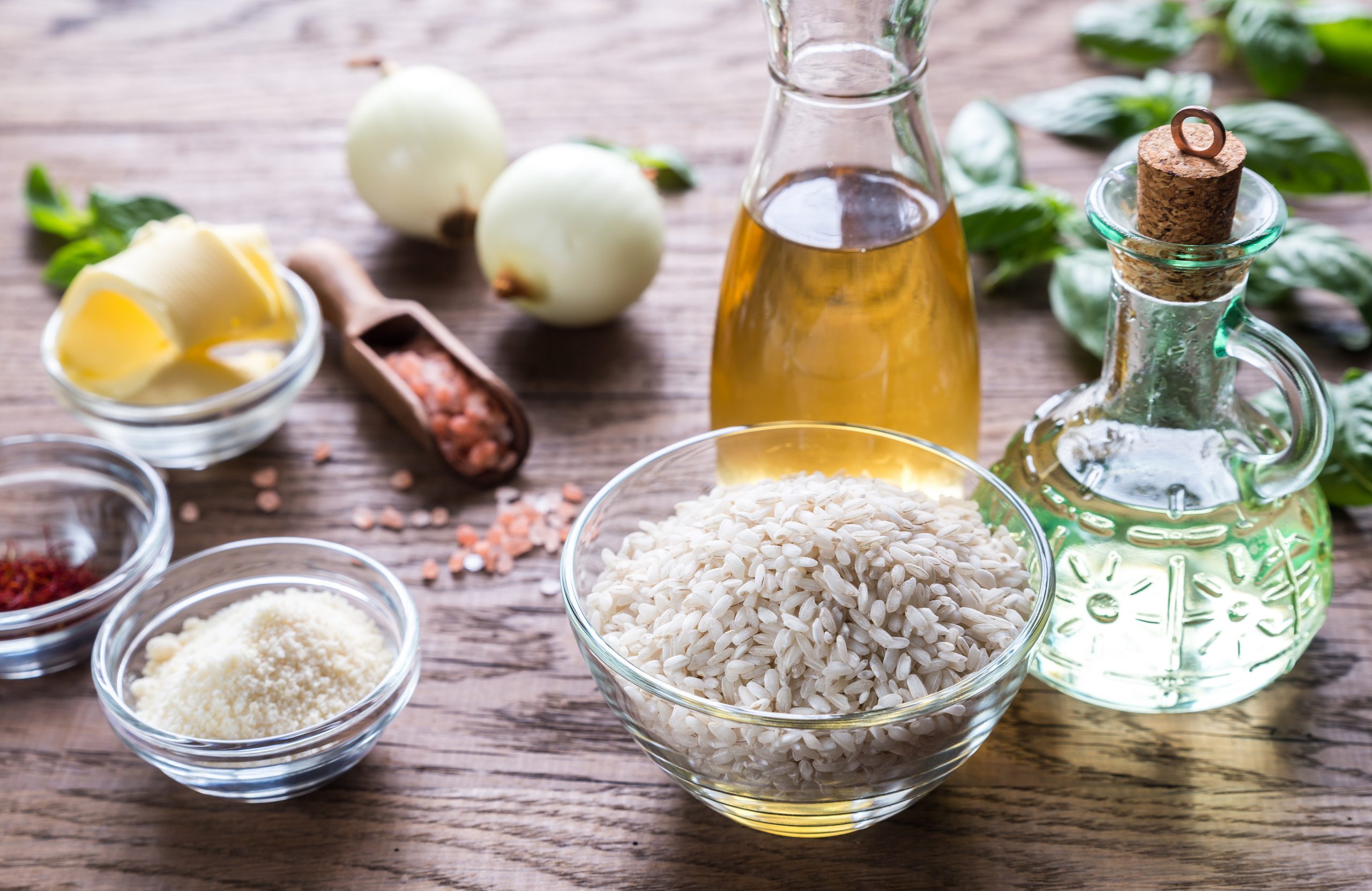
    Cooking Halal meals isn’t just about avoiding prohibited (Haram) foods—it also involves using ingredients that are permissible, clean, and ethically sourced. Whether you’re preparing everyday meals, festive dishes, or international cuisine, knowing which ingredients are Halal ensures that your food complies with Islamic dietary laws. This guide highlights the most common Halal ingredients used in cooking and explains why they matter.

    What Makes an Ingredient Halal?

    An ingredient is considered Halal if it:

    Comes from permissible sources – e.g., beef, lamb, chicken, vegetables, fruits, grains, and permissible seafood.

    Does not contain Haram elements – e.g., pork, pork by-products, alcohol, or non-Halal gelatin.

    Is processed and handled correctly – no cross-contamination with Haram ingredients during production, packaging, or storage.

    Using Halal ingredients ensures that every meal is compliant, healthy, and ethically prepared.

    Common Protein Sources
    1. Chicken

    Widely used in Halal cooking.

    Must be slaughtered according to Halal standards.

    Often used in curries, biryanis, grilled dishes, and soups.

    2. Beef and Lamb

    Common in Middle Eastern, South Asian, and Western Halal dishes.

    Halal-certified beef and lamb are preferred for authenticity.

    Found in stews, kebabs, curries, and roasts.

    3. Seafood

    Most seafood is Halal according to Islamic law, including fish, shrimp, and calamari.

    Often used in curries, fried dishes, and sushi prepared with Halal-certified ingredients.

    4. Eggs

    Eggs from permissible birds like chickens, ducks, and quails are Halal.

    Used in baking, breakfast dishes, and desserts.

    Halal-Friendly Dairy Products

    Milk and Cream: Ensure they are free from animal rennet or non-Halal additives.

    Cheese: Only cheese made with Halal-certified rennet or microbial rennet is permissible.

    Yogurt and Butter: Natural or Halal-certified variants are commonly used in cooking and baking.

    Grains, Pulses, and Legumes

    These are naturally Halal and form the base of many meals:

    Rice: Basmati, jasmine, or short-grain rice is Halal.

    Wheat and Flour: Used in bread, pastries, and pasta.

    Lentils, Chickpeas, Beans: Essential for soups, curries, and stews.

    These ingredients are staple foods in Middle Eastern, South Asian, and African cuisines.

    Fruits and Vegetables

    All fresh fruits and vegetables are inherently Halal:

    Common vegetables: tomatoes, potatoes, spinach, onions, garlic, peppers.

    Fruits: dates, apples, oranges, bananas, berries.

    Herbs and spices: coriander, cumin, turmeric, cinnamon, cardamom, saffron.

    Fresh produce must be washed properly and handled separately from non-Halal ingredients in mixed kitchens.

    Halal Oils and Fats

    Vegetable Oils: Sunflower, olive, canola, and coconut oils are Halal.

    Animal Fats: Only from Halal-slaughtered animals (e.g., ghee made from Halal cow or buffalo milk).

    Butter: Halal-certified butter is preferred for baking or sautéing.

    Common Halal Seasonings and Condiments

    Spices: Black pepper, turmeric, cumin, paprika, chili powder, ginger, and garlic powder.

    Herbs: Basil, parsley, mint, thyme, rosemary.

    Sauces: Tomato paste, soy sauce (ensure alcohol-free), vinegar (made from permissible sources).

    When purchasing processed seasonings, always check labels for hidden alcohol, animal-derived enzymes, or gelatin.

    Sweeteners and Baking Ingredients

    Sugar and Honey: Naturally Halal, used in desserts and drinks.

    Gelatin: Only Halal-certified gelatin from permissible animals is allowed.

    Chocolate and Cocoa: Must be free from non-Halal emulsifiers or alcohol-based flavorings.

    Tips for Ensuring Ingredients Are Halal

    Check Certification: Look for a Halal logo on packaged ingredients.

    Avoid Cross-Contamination: Keep Halal and non-Halal ingredients separate.

    Read Labels Carefully: Watch for hidden alcohol, enzymes, or non-Halal additives.

    Choose Trusted Suppliers: Purchase from Halal-certified stores or butchers.

    Use Fresh Produce and Grains: Naturally Halal ingredients reduce the risk of non-compliance.

    Conclusion

    Cooking Halal meals is about careful selection, ethical sourcing, and awareness of ingredient origins. By using Halal-certified proteins, dairy, grains, fruits, vegetables, oils, and seasonings, you can prepare meals that are religiously compliant, nutritious, and delicious.

    With a growing global Halal market, more brands and products are offering certified ingredients, making it easier than ever to maintain a Halal kitchen. Whether preparing everyday meals or festive dishes, choosing authentic Halal ingredients ensures both spiritual adherence and high-quality cooking.

    Popular Halal Food Chains

    Popular Halal Food Chains

    Halal food chains provide convenient, reliable, and widely accessible Halal meals, making it easy for Muslims to enjoy fast food, casual dining, or global cuisine while adhering to Islamic dietary laws. These chains are either fully Halal-certified or offer Halal options at select locations.

    READ MORE

    Top Halal Restaurants to Visit

    Top Halal Restaurants to Visit

    for travelers and food lovers, exploring top Halal restaurants provides a chance to enjoy delicious cuisine while adhering to Islamic dietary guidelines. From fine dining to local favorites, these restaurants are celebrated for their authentic flavors, quality, and Halal certification.

    READ MORE
    Best Halal Restaurants Around the World

    Best Halal Restaurants Around the World

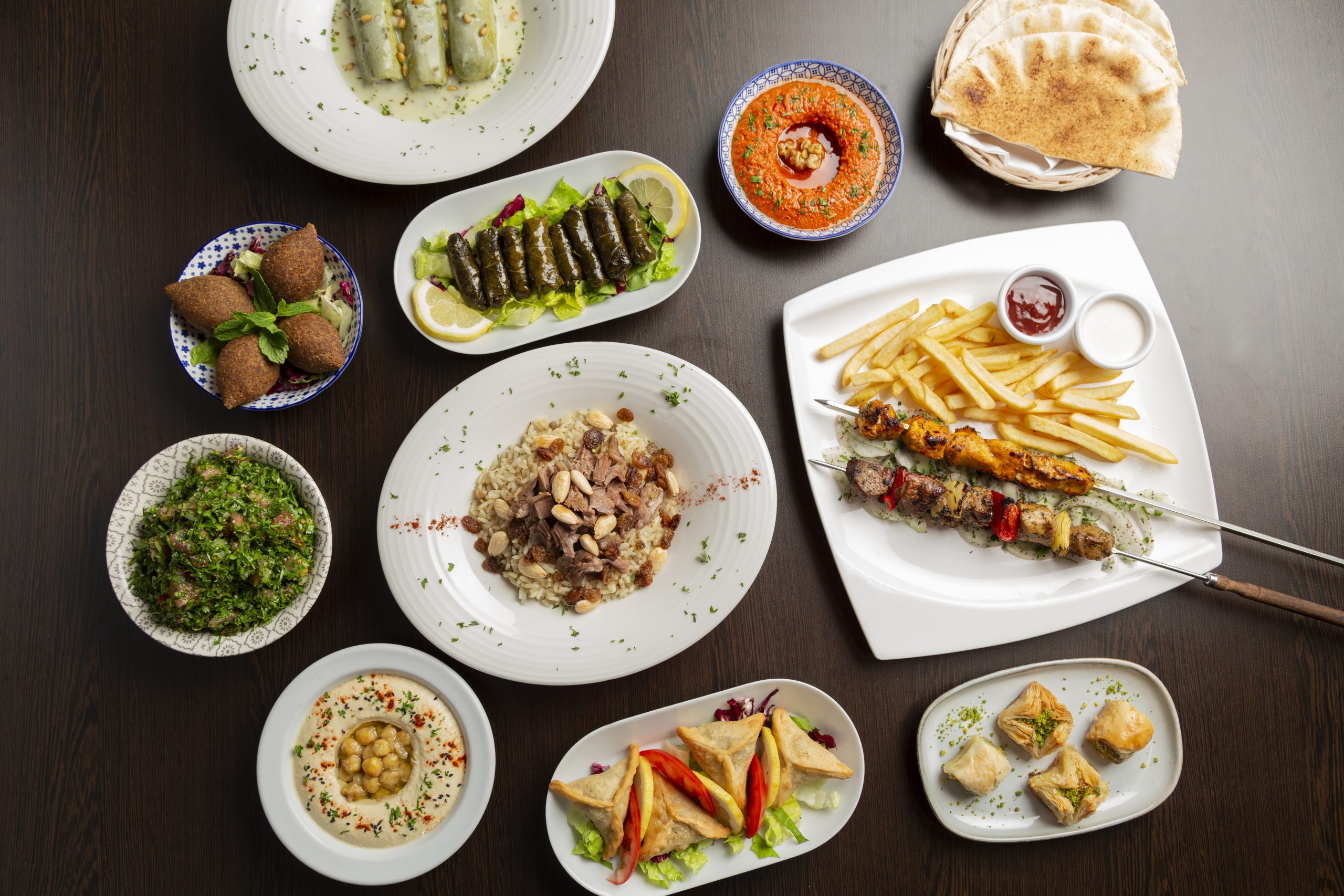
    Here’s a curated list of must-visit Halal restaurants around the world — from renowned fine-dining spots to beloved local eateries — where you can enjoy delicious Muslim-friendly cuisine while traveling or dining out. Many of these are celebrated for their authentic flavors, cultural appeal, and Halal certification.

    READ MORE

    Latest Post

    Easy Ways to Cook Halal Food at Home
    Easy Ways to Cook Halal Food at Home
    How to Choose Authentic Halal Meat
    How to Choose Authentic Halal Meat
    Halal Meat vs Non-Halal Meat Explained
    Halal Meat vs Non-Halal Meat Explained
    Understanding Halal Slaughter Process
    Understanding Halal Slaughter Process
    Common Halal Ingredients Used in Cooking
    Common Halal Ingredients Used in Cooking
    Quick Ramadan Snacks to Try

    Quick Ramadan Snacks to Try

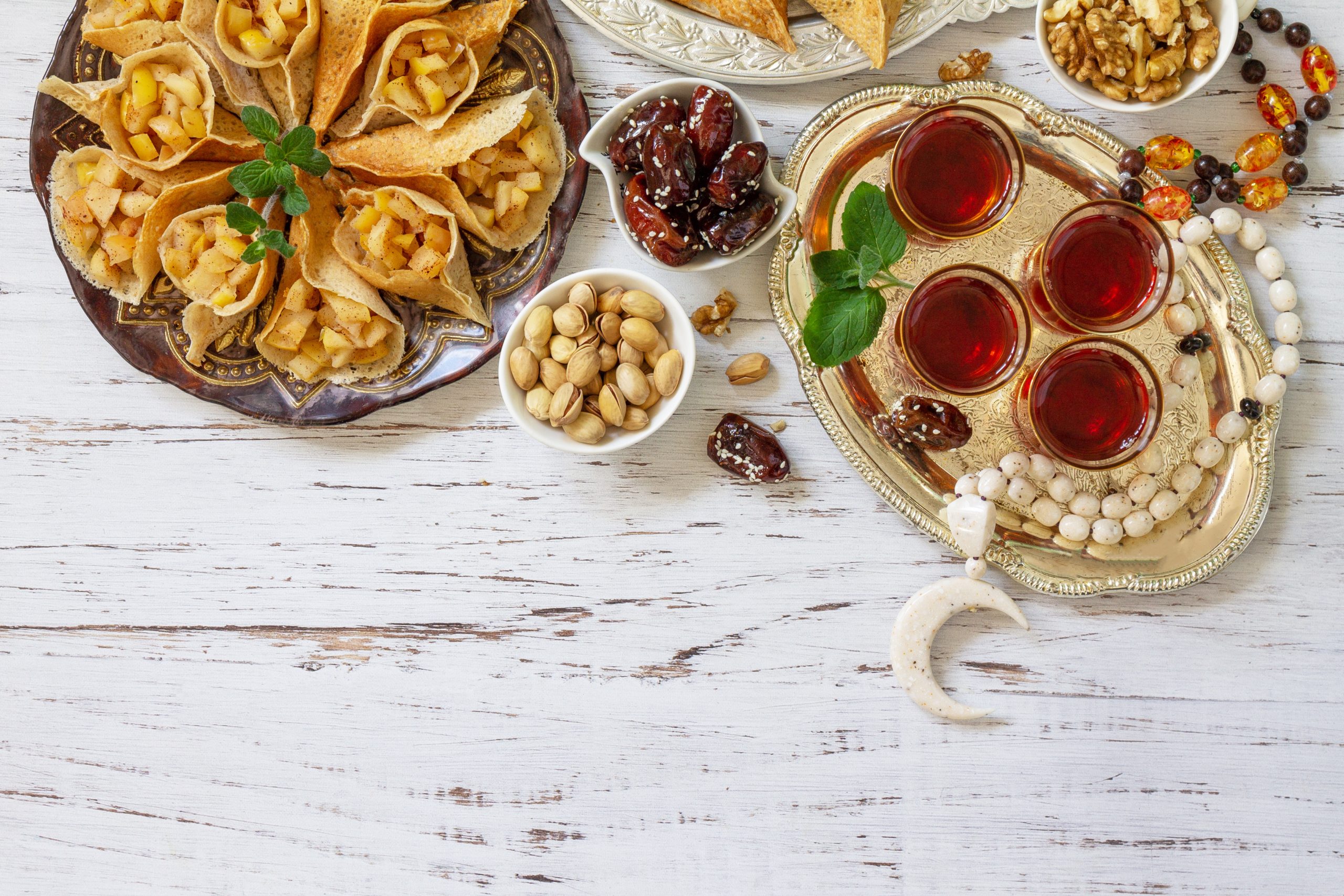
    During Ramadan, having easy and nutritious snacks is important to maintain energy between Iftar and Suhoor. These snacks should be Halal, healthy, and quick to prepare, so you can enjoy flavorful bites without spending too much time in the kitchen. Here’s a list of quick Ramadan snacks to try.

    READ MORE

    Healthy Iftar Recipes for Ramadan

    Healthy Iftar Recipes for Ramadan

    Iftar is the meal that breaks the fast at sunset during Ramadan, and choosing healthy, balanced, and Halal-friendly recipes is essential to restore energy, maintain hydration, and support overall wellbeing. Here’s a collection of delicious and nutritious healthy Iftar recipes you can prepare at home.

    READ MORE
    Best Halal Foods for Suhoor and Iftar

    Best Halal Foods for Suhoor and Iftar

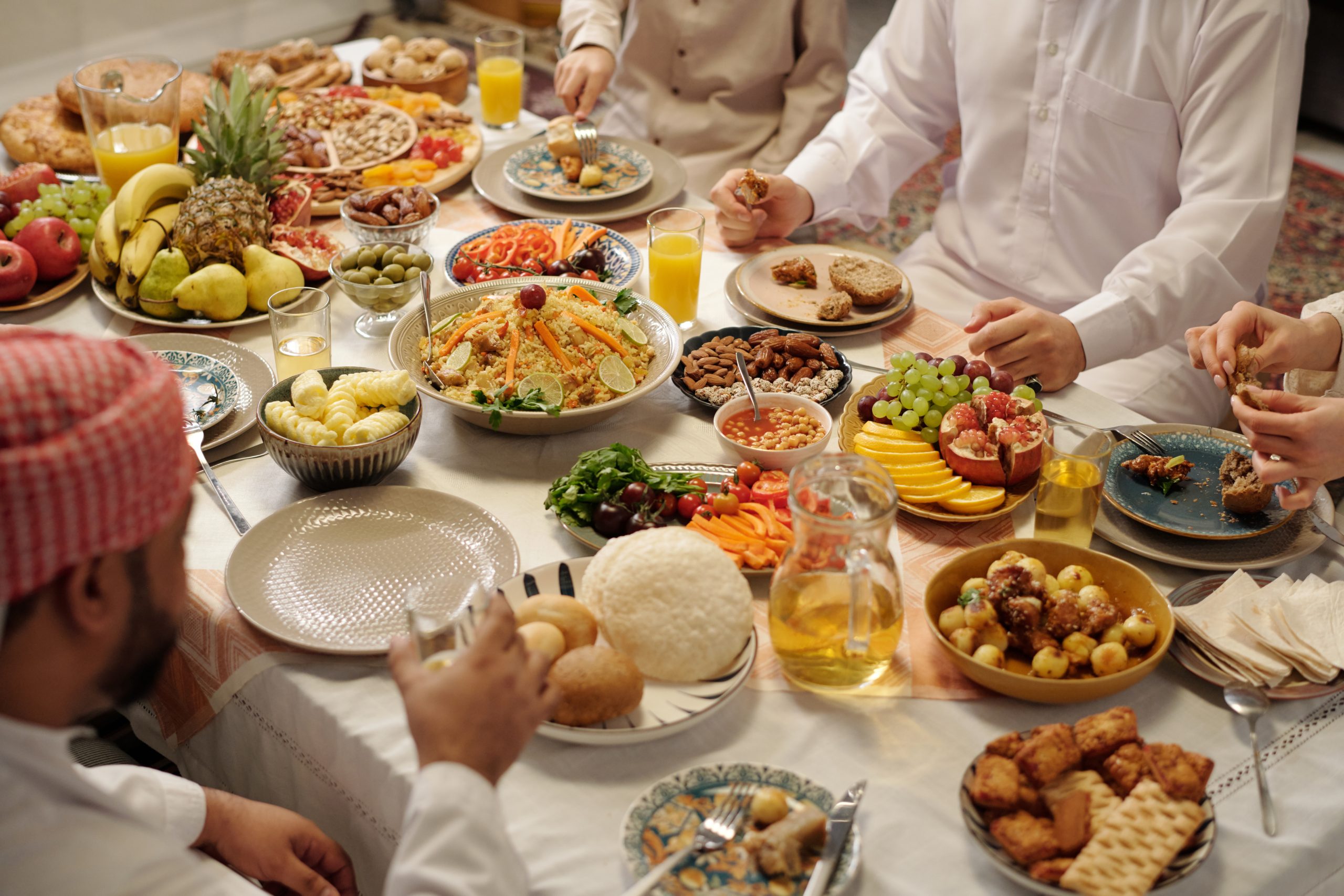
    During Ramadan, choosing the right Halal foods for Suhoor and Iftar is essential for maintaining energy, hydration, and overall health. Suhoor (pre-dawn meal) should be sustaining and nourishing, while Iftar (meal to break the fast) should replenish energy and fluids without overloading the body. Here’s a guide to the best Halal foods for each meal.

    READ MORE
    Blogs

    Simple Tips for Healthy Halal Meals
    Admin

    Simple Tips for Healthy Halal Meals

    2026/03/12

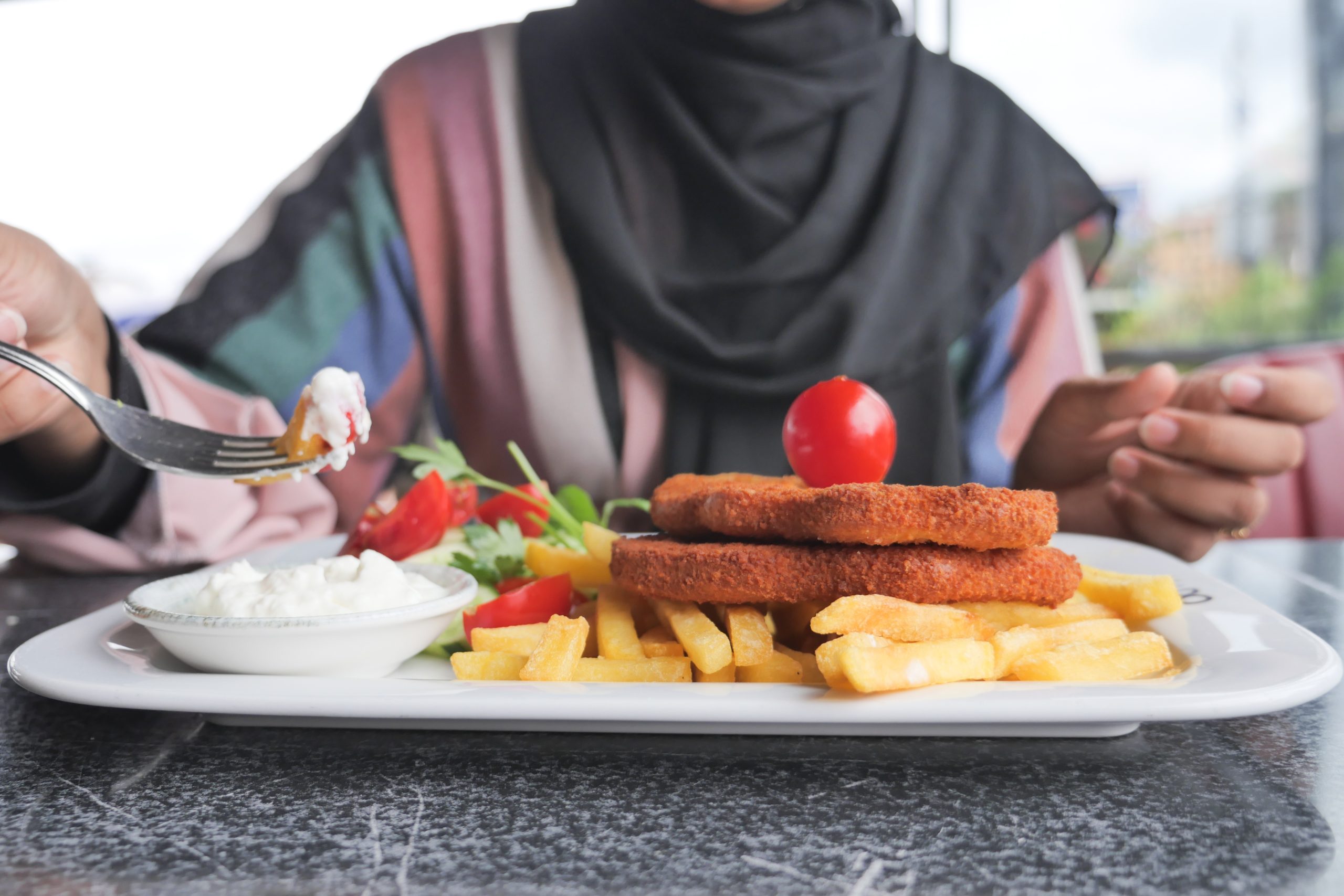
    Maintaining a healthy Halal diet doesn’t have to be complicated. By combining Halal principles with smart food choices, you can enjoy meals that are nutritious, satisfying, and aligned with Islamic dietary guidelines. Here are simple tips for preparing and enjoying healthy Halal meals.

    Read More
    Benefits of Eating Halal Food
    Admin

    Benefits of Eating Halal Food

    2026/3/12

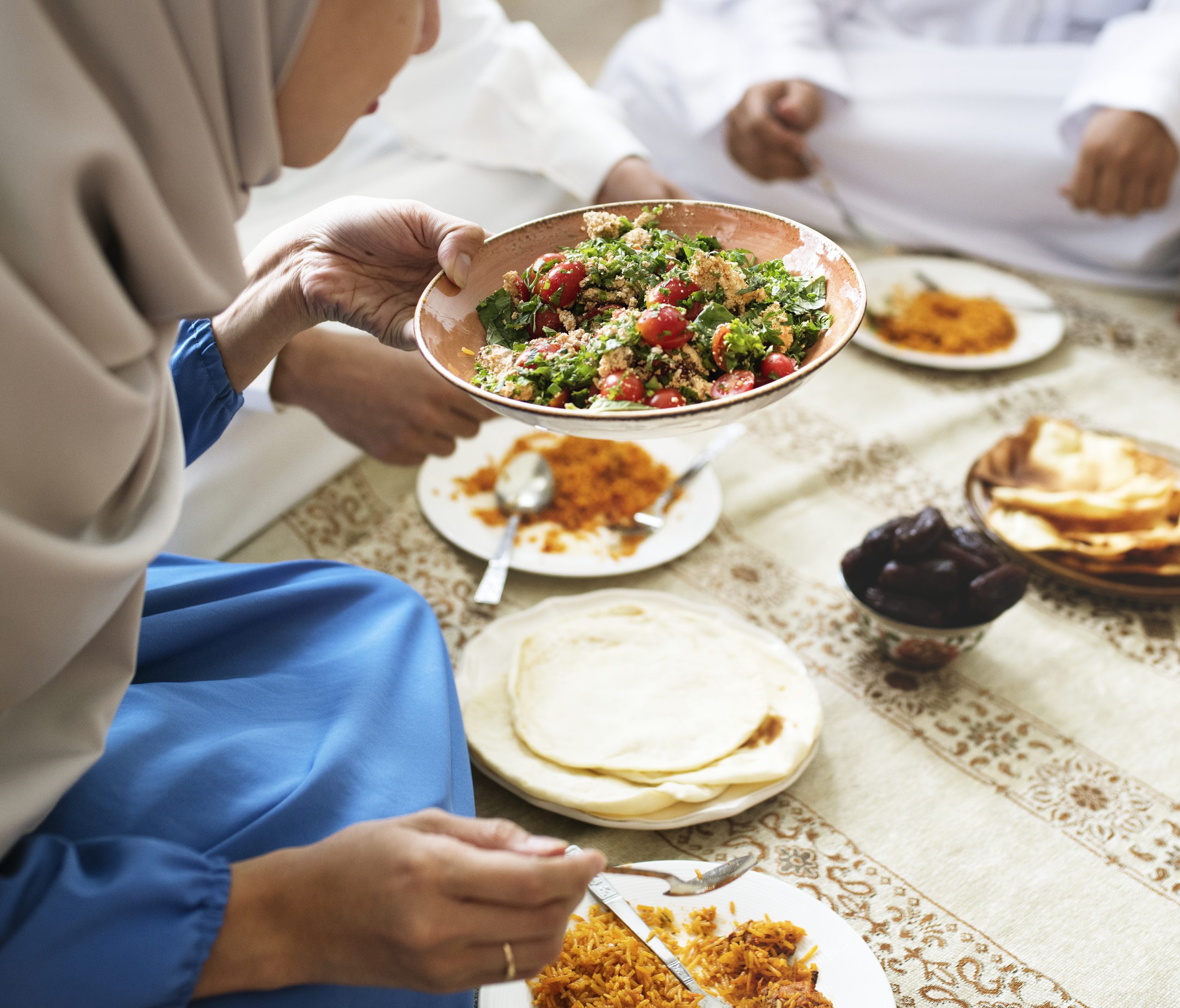
    Eating Halal food is not only a spiritual practice for Muslims but also comes with multiple health, ethical, and social benefits. Halal dietary laws ensure that the food consumed is permissible, pure, and prepared with care, offering advantages that go beyond religious compliance. Here’s a detailed look at the benefits of eating Halal food.

    Read More
    How to Maintain a Healthy Halal Diet
    Admin

    How to Maintain a Healthy Halal Diet

    2026/3/12

    Maintaining a healthy Halal diet goes beyond simply eating Halal-certified meat; it involves balancing nutrition, portion control, and making smart food choices while adhering to Islamic dietary guidelines. Here’s a detailed guide to help you eat healthily while following a Halal lifestyle.

    Read More
    Must-Try Halal Street Food Recipes
    Admin

    Must-Try Halal Street Food Recipes

    2026/03/12

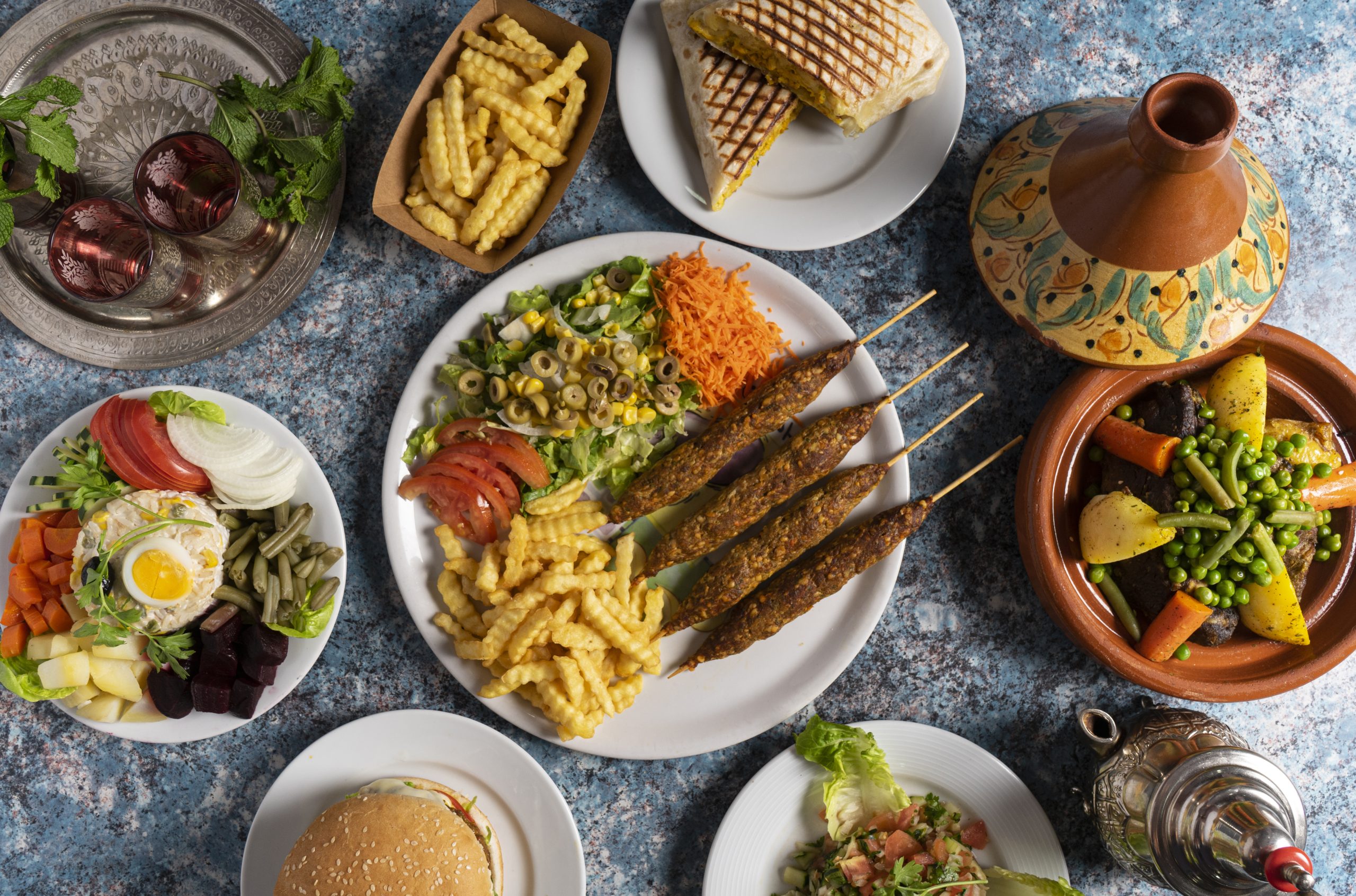
    Street food is one of the best ways to enjoy bold flavors, quick meals, and cultural experiences. Many of these dishes can be made Halal-friendly at home using Halal-certified ingredients. Here’s a guide to some must-try Halal street food recipes that are easy, flavorful, and perfect for home cooking.

    Read More
    Popular Halal Snacks from Different Countries
    Admin

    Popular Halal Snacks from Different Countries

    2026/3/13

    Halal snacks are a delicious way to enjoy global flavors while adhering to dietary laws. From spicy bites to sweet treats, Halal snacks around the world showcase cultural diversity and creativity. Here’s a guide to some of the most popular Halal snacks from different countries.

    Read More
    Best Halal Street Foods Around the World
    Admin

    Best Halal Street Foods Around the World

    2026/3/12

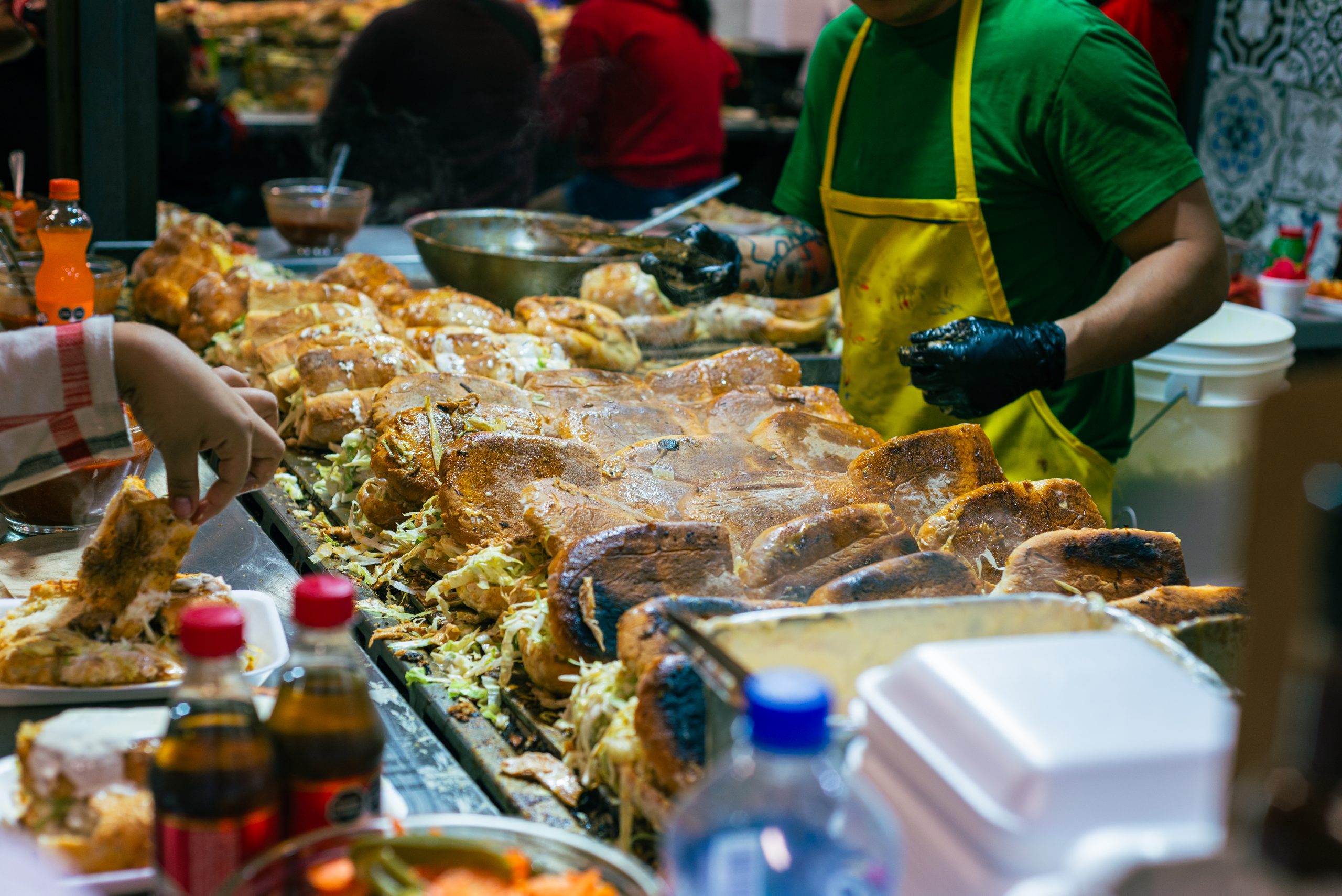
    Street food is a global phenomenon, offering quick, flavorful, and Halal-friendly meals in almost every country. From spicy snacks in Southeast Asia to grilled meats in the Middle East, Halal street foods are enjoyed by millions worldwide. Here’s a guide to some of the best Halal street foods from around the world.

    Read More

    Easy Ways to Cook Halal Food at Home
    Easy Ways to Cook Halal Food at Home
    How to Choose Authentic Halal Meat
    How to Choose Authentic Halal Meat
    Halal Meat vs Non-Halal Meat Explained
    Halal Meat vs Non-Halal Meat Explained
    Understanding Halal Slaughter Process
    Understanding Halal Slaughter Process
    Common Halal Ingredients Used in Cooking
    Common Halal Ingredients Used in Cooking
    Hidden Haram Ingredients in Processed Foods
    Hidden Haram Ingredients in Processed Foods