What Does Halal Food Really Mean?
Halal food is an important concept in Islam that guides Muslims on what they are allowed to eat and drink. The word “Halal” is an Arabic term that means permissible or lawful. In the context of food, Halal refers to anything that is allowed for Muslims to consume according to Islamic law (Shariah). These rules come from the Quran and the teachings of the Prophet Muhammad (peace be upon him). Understanding what Halal food really means helps Muslims make responsible choices about their diet while maintaining their religious values.
The Meaning of Halal in Islam
Halal is not limited to food only; it applies to many aspects of life, including business, clothing, and behavior. However, when people talk about Halal food, they usually mean food and drinks that are prepared and consumed according to Islamic guidelines. These guidelines ensure that the food is clean, safe, and ethically prepared.
The opposite of Halal is “Haram,” which means forbidden. Foods that fall into the Haram category are strictly prohibited for Muslims. Some examples of Haram foods include pork and pork-based products, alcohol, and animals that are not slaughtered according to Islamic principles.
Basic Rules of Halal Food
There are several important rules that define whether food is Halal or not. These rules help Muslims ensure that their meals follow Islamic teachings.
First, pork and all pork products are considered Haram. This includes bacon, ham, and any food made from pig-derived ingredients.
Second, alcohol and intoxicating substances are also forbidden. This means that Muslims must avoid foods or drinks that contain alcohol or are prepared using alcoholic ingredients.
Third, animals that are allowed to be eaten must be slaughtered according to Islamic guidelines. This method is known as Zabiha. During the slaughter, the name of Allah is mentioned, and the animal must be treated with respect and care.
Fourth, Halal food must not come into contact with Haram substances. Cross-contamination can make otherwise permissible food unacceptable for Muslim consumption.
Halal Slaughter Process
The Halal slaughter process is a key part of ensuring that meat is permissible for Muslims. In this process, the animal must be healthy and alive at the time of slaughter. A Muslim slaughterer recites the name of Allah before making a swift and humane cut to the throat of the animal. This cut allows the blood to drain from the body, which is an essential part of the Halal method.
The purpose of this method is not only religious but also hygienic. Proper draining of blood helps keep the meat clean and fresh. Islam also teaches that animals should be treated with kindness and should not suffer unnecessarily during the process.
Halal Ingredients and Food Products
Halal food is not limited to meat. Many packaged foods also need to meet Halal standards. Ingredients such as gelatin, emulsifiers, and flavorings can sometimes come from animal sources. If these ingredients come from non-Halal animals or animals not slaughtered according to Islamic law, the food becomes Haram.
Because of this, many food companies seek Halal certification from recognized organizations. Halal certification confirms that the ingredients and the production process meet Islamic dietary requirements. When consumers see a Halal certification label on a product, they can feel more confident that it meets Halal standards.
The Importance of Halal Food for Muslims
For Muslims, eating Halal food is not just a dietary preference—it is an act of faith and obedience to Allah. Following Halal guidelines helps Muslims live according to their religious beliefs and maintain spiritual discipline in their daily lives.
Halal food also emphasizes cleanliness, ethical treatment of animals, and responsible consumption. These principles encourage Muslims to be mindful about where their food comes from and how it is prepared.
Halal Food Around the World
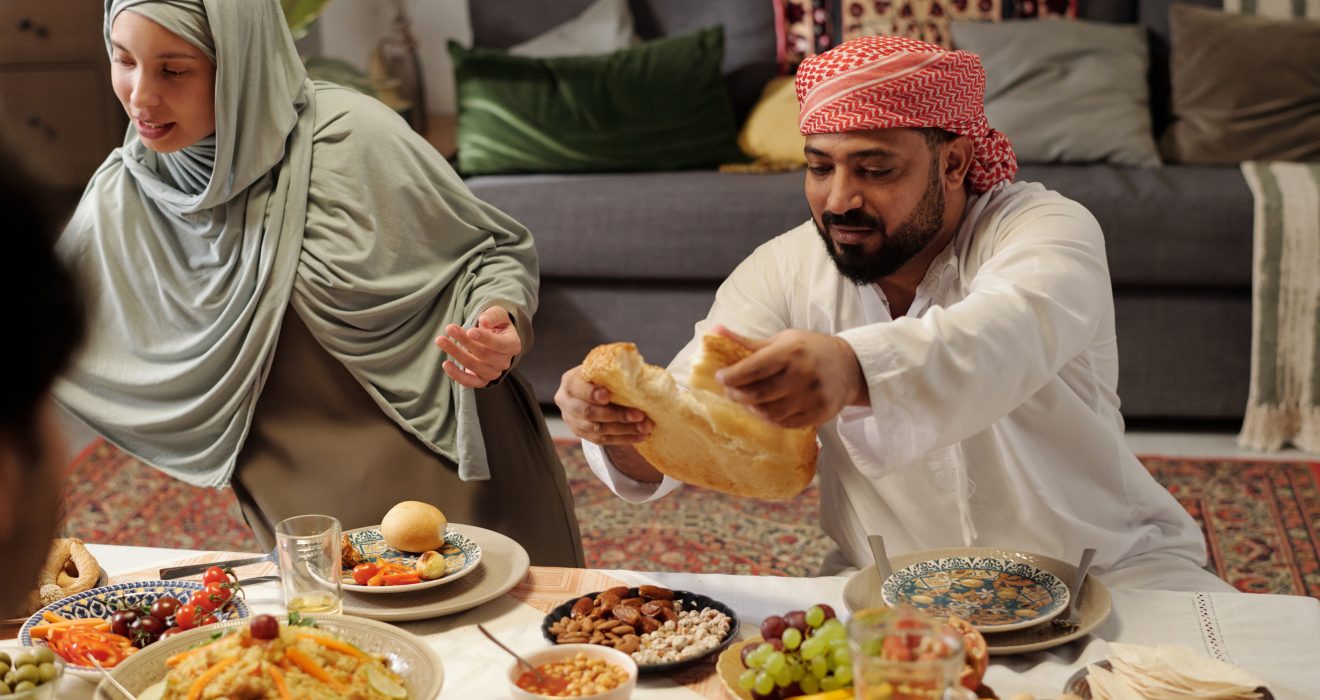
Today, Halal food is widely available around the world. Many restaurants, supermarkets, and food brands offer Halal-certified products to serve the growing Muslim population. In addition, many non-Muslims are also choosing Halal food because they believe it represents higher standards of hygiene and ethical food preparation.
The global Halal food market continues to grow each year, making it easier for Muslims to find Halal options wherever they travel.
Conclusion
Halal food represents more than just a set of dietary rules. It reflects a lifestyle based on faith, cleanliness, and ethical responsibility. By understanding what Halal food really means, Muslims can make informed choices that align with their religious values. Whether it is selecting Halal meat, checking food labels, or choosing Halal-certified products, following these guidelines helps ensure that daily meals remain both lawful and spiritually meaningful.