
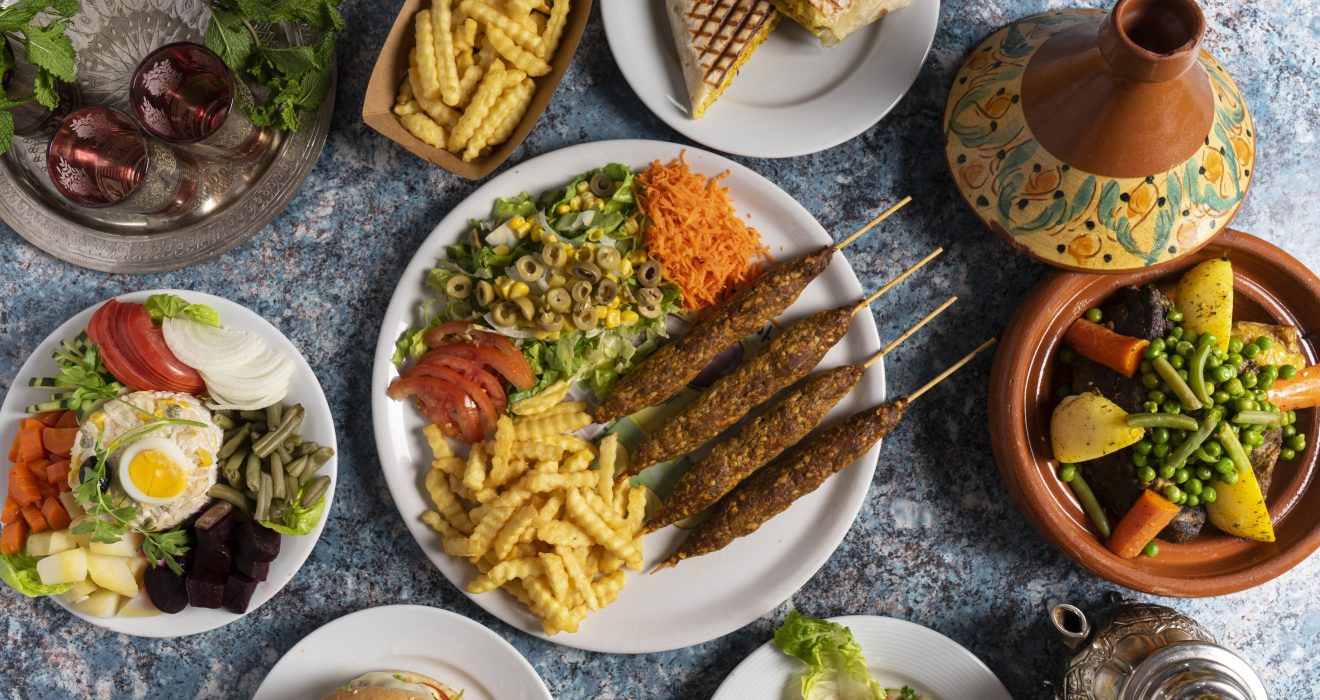
Traditional Arabic Halal Meals
Arabic cuisine is rich in flavors, spices, and tradition, offering a variety of Halal meals that are both wholesome and satisfying. From hearty rice dishes to flavorful stews and grilled meats, Arabic meals are perfect for family gatherings, special occasions, or daily dining. Here’s a guide to some of the most iconic traditional Arabic Halal meals.
1. Kabsa
Kabsa is a spiced rice dish often cooked with Halal chicken or lamb. Originating from Saudi Arabia, it’s a festive meal commonly served during gatherings.
Ingredients:
-
Basmati rice
-
Halal chicken or lamb
-
Onions, garlic, and tomatoes
-
Spices: black lime, cinnamon, cloves, cardamom, cumin, paprika
-
Vegetable oil or Halal ghee
Why it’s special: Kabsa combines aromatic spices with tender meat, making it a hearty, flavorful dish that’s often the centerpiece of a meal.
2. Mandi
Mandi is another traditional rice and meat dish, originating from Yemen. The meat is slow-cooked and infused with saffron, giving the dish a distinct aroma and flavor.
Ingredients:
-
Basmati rice
-
Halal chicken or lamb
-
Saffron and turmeric
-
Garlic, onions, and ghee
-
Spices: cumin, cardamom, black pepper, cloves
Why it’s special: Mandi’s tender, spiced meat and fragrant rice make it a celebratory dish, often enjoyed during Ramadan and festive occasions.
3. Mansaf
Mansaf is Jordan’s national dish, featuring Halal lamb cooked in a yogurt sauce and served over rice.
Ingredients:
-
Halal lamb
-
Jameed (dried yogurt) or plain Halal yogurt
-
Basmati rice
-
Almonds or pine nuts for garnish
Why it’s special: Mansaf is rich, ceremonial, and often served during weddings or special celebrations. It represents generosity and hospitality in Arabic culture.
4. Shawarma Platter
Shawarma is popular across the Middle East and can be served as a platter with rice, vegetables, and sauces.
Ingredients:
-
Halal chicken, beef, or lamb
-
Spiced rice or flatbread
-
Garlic sauce, tahini, and pickles
-
Fresh vegetables
Why it’s special: Shawarma platters are versatile, flavorful, and suitable for quick meals or gatherings.
5. Kebab with Arabic Rice
Grilled kebabs are a staple in Arabic cuisine, often paired with seasoned rice.
Ingredients:
-
Halal lamb, beef, or chicken
-
Onions, garlic, and spices for marination
-
Basmati rice cooked with cardamom, saffron, and ghee
-
Salad or grilled vegetables
Why it’s special: Kebab meals are protein-rich, delicious, and can be adapted with different meats and marinades.
6. Harira (Arabic Stew)
Harira is a hearty soup or stew, especially popular in the Levant and during Ramadan.
Ingredients:
-
Halal lamb or beef
-
Lentils, chickpeas, and tomatoes
-
Onions, garlic, parsley, and cilantro
-
Spices: cinnamon, turmeric, cumin, and black pepper
Why it’s special: Harira is nourishing, easy to digest after fasting, and packed with protein and fiber.
7. Fatoush and Tabouleh Salads
Fatoush and Tabouleh are fresh salads often served as sides in Arabic meals.
Fatoush Ingredients:
-
Mixed greens, tomatoes, cucumber, radish
-
Toasted pita pieces
-
Olive oil and lemon juice
Tabouleh Ingredients:
-
Parsley, mint, tomatoes, cucumber
-
Bulgur wheat
-
Olive oil and lemon juice
Why they’re special: These salads balance heavier main dishes with freshness and flavor.
8. Stuffed Vegetables (Mahshi)
Mahshi refers to vegetables like zucchini, bell peppers, or grape leaves stuffed with rice and sometimes minced Halal meat.
Ingredients:
-
Vegetables: zucchini, bell peppers, or grape leaves
-
Rice mixed with herbs, spices, and optional minced Halal meat
-
Tomato sauce for baking
Why it’s special: Mahshi is wholesome, flavorful, and often part of family meals during celebrations.
9. Arabic Lentil Soup
Lentil Soup is a comforting and protein-rich starter often served before main courses.
Ingredients:
-
Red or yellow lentils
-
Onion, garlic, and carrots
-
Cumin, coriander, turmeric, and black pepper
-
Olive oil and lemon juice
Why it’s special: It’s quick to prepare, nutritious, and a perfect light starter or meal accompaniment.
10. Falafel
Falafel is deep-fried patties made from chickpeas or fava beans.
Ingredients:
-
Chickpeas or fava beans
-
Onion, garlic, parsley, cumin, and coriander
-
Halal oil for frying
-
Served with tahini sauce and pita bread
Why it’s special: Falafel is vegetarian, naturally Halal, and widely popular in Arabic cuisine as a snack or part of a meal.
Tips for Cooking Traditional Arabic Halal Meals
-
Use Halal-Certified Ingredients: Always ensure meats, yogurt, ghee, and sauces are Halal.
-
Fresh Herbs and Spices: Parsley, cilantro, mint, saffron, and cardamom elevate the flavors authentically.
-
Balance Flavors: Arabic cuisine balances sweet, sour, savory, and spicy notes—use lemon juice, yogurt, and spices carefully.
-
Cook Rice Properly: Fluffy, separate grains are key for dishes like Kabsa, Mandi, and Mansaf.
-
Pair with Sides: Salads, yogurt sauces, and flatbreads complement main dishes perfectly.
Conclusion
Traditional Arabic Halal meals are rich, flavorful, and culturally significant, spanning from hearty rice dishes like Kabsa, Mandi, and Mansaf to fresh salads, falafel, and stuffed vegetables. These dishes showcase the diversity and depth of Arabic cuisine while adhering to Halal dietary laws.
Whether for a special occasion, Ramadan, or daily meals, Arabic Halal dishes are a perfect blend of aromatic spices, wholesome ingredients, and communal dining traditions that bring families together.