
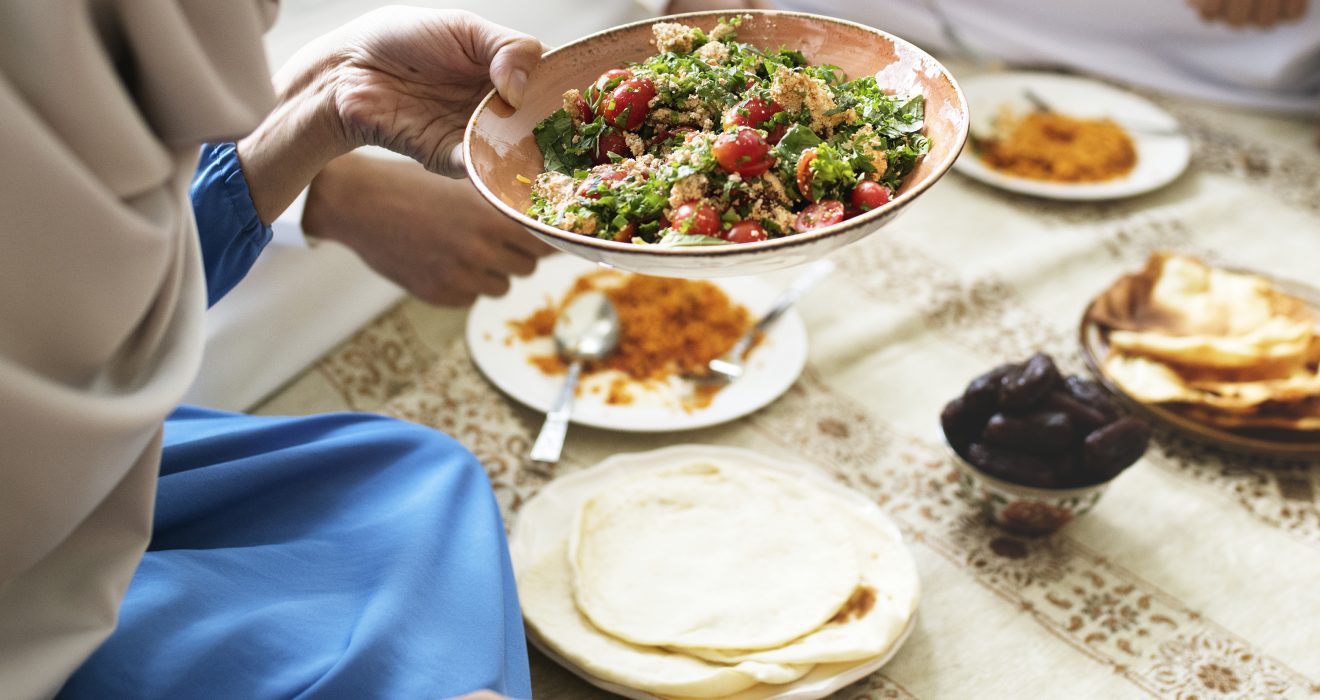
How to Maintain a Healthy Halal Diet
Maintaining a healthy Halal diet goes beyond simply eating Halal-certified meat; it involves balancing nutrition, portion control, and making smart food choices while adhering to Islamic dietary guidelines. Here’s a detailed guide to help you eat healthily while following a Halal lifestyle.
1. Understand What Halal Means
Halal refers to foods and drinks that are permissible under Islamic law. In terms of diet:
-
Meat: Must come from Halal-certified sources and be slaughtered according to Islamic rules.
-
Avoid Haram: Do not consume pork, alcohol, or any food containing non-Halal ingredients.
-
Processed Foods: Check labels for Halal certification, as some additives may be Haram.
Tip: Familiarize yourself with common Haram ingredients like gelatin (from non-Halal sources), lard, and certain emulsifiers.
2. Include a Variety of Foods
A healthy Halal diet should include balanced nutrients from multiple sources:
-
Proteins: Halal chicken, beef, lamb, fish, eggs, and plant-based options like lentils, chickpeas, and beans.
-
Carbohydrates: Whole grains like brown rice, oats, quinoa, and whole wheat bread.
-
Fruits and Vegetables: Fresh, seasonal produce provides vitamins, minerals, and fiber.
-
Healthy Fats: Olive oil, avocado, nuts, seeds, and Halal-certified dairy products.
Tip: Aim to fill half your plate with fruits and vegetables for optimal health.
3. Practice Portion Control
Even Halal food can contribute to weight gain if eaten in excess. Tips for portion control:
-
Use smaller plates to help control servings.
-
Listen to your body and stop eating when full.
-
Avoid oversized portions of fried or highly processed Halal snacks.
Tip: Combine protein, complex carbs, and vegetables in one meal for satiety and balanced energy.
4. Limit Processed Foods
Processed foods often contain:
-
Hidden sugars and unhealthy fats
-
Non-Halal additives
-
High sodium levels
Tip: Choose whole, fresh foods over packaged snacks, and prepare meals at home whenever possible.
5. Eat Mindfully
Mindful eating supports a healthy diet and spiritual connection:
-
Eat slowly and savor each bite.
-
Avoid distractions like phones or TV during meals.
-
Reflect on the blessings of Halal food and eat with gratitude.
Tip: Mindful eating can prevent overeating and improve digestion.
6. Drink Plenty of Water
Hydration is essential for overall health:
-
Aim for 6–8 glasses of water daily.
-
Limit sugary drinks and sodas, even if Halal-certified.
-
Herbal teas or infused water are good alternatives.
Tip: Drinking water before meals can help with portion control.
7. Include Physical Activity
Diet alone isn’t enough; combine it with regular exercise:
-
30 minutes of moderate activity, like walking, cycling, or swimming, most days.
-
Strength training 2–3 times per week helps build lean muscle.
Tip: Exercise complements a healthy Halal diet by boosting metabolism and maintaining energy balance.
8. Plan Balanced Meals
A typical healthy Halal meal might include:
-
Breakfast: Oats with fruits and nuts, or eggs with whole-grain toast.
-
Lunch: Grilled Halal chicken with brown rice and steamed vegetables.
-
Dinner: Baked fish or Halal lamb stew with salad and whole grains.
-
Snacks: Fresh fruits, roasted nuts, or homemade Halal hummus with vegetables.
Tip: Meal prep can help you avoid unhealthy choices when busy.
9. Practice Moderation with Treats
Halal desserts like baklava, jalebi, or chocolate can be enjoyed in moderation:
-
Limit sweets to special occasions or small portions.
-
Choose baked or lightly sweetened alternatives when possible.
Tip: Balance indulgence with nutrient-dense meals throughout the day.
10. Regularly Monitor Your Health
Maintaining a healthy Halal diet also involves being aware of your health:
-
Track your weight, blood pressure, and cholesterol levels.
-
Adjust your diet based on energy levels, digestive health, and nutrient intake.
-
Consult a dietitian or nutritionist familiar with Halal dietary requirements if needed.
Conclusion
A healthy Halal diet combines adherence to Islamic dietary laws with balanced nutrition, portion control, and mindful eating. By focusing on fresh, whole foods, avoiding Haram ingredients, and staying active, you can maintain physical health while honoring spiritual guidelines.
Key Takeaways:
-
Prioritize Halal-certified protein sources.
-
Eat a variety of fruits, vegetables, grains, and healthy fats.
-
Limit processed foods, sugary drinks, and oversized portions.
-
Practice mindful eating and regular exercise.
Following these principles helps ensure that your Halal diet is not just permissible but also nutritious, balanced, and sustainable.
If you want, I can next create a full blog titled “Top 10 Tips for a Healthy Halal Diet” in 700 words with practical meal ideas and sample weekly menu for readers.