
Why Halal Food is Becoming Popular Worldwide
Halal food, once primarily consumed by Muslims in accordance with Islamic dietary laws, is increasingly gaining recognition and popularity across the globe. This surge is driven by a combination of religious adherence, ethical considerations, health awareness, and cultural curiosity. From bustling cities in Europe and North America to the traditional markets of Southeast Asia and the Middle East, Halal food is now part of the global culinary conversation.
Understanding Halal
The word “Halal” means permissible or lawful in Arabic. In the context of food, it refers to products that comply with Islamic dietary laws, which include specific guidelines on how animals are slaughtered, the prohibition of pork and its derivatives, avoidance of intoxicants such as alcohol, and ensuring cleanliness and hygiene in food preparation.
While originally meant to guide Muslim consumption, the principles behind Halal food—ethical sourcing, humane animal treatment, and high standards of hygiene—resonate with non-Muslim consumers as well.
Religious and Cultural Demand
The primary driver of Halal food’s global popularity remains the growing Muslim population worldwide. According to Pew Research Center, there are over 1.9 billion Muslims globally, making up nearly 25% of the world population. As the Muslim diaspora expands in countries such as the United States, United Kingdom, Canada, and across Europe, there is a rising need for accessible Halal food options.
Restaurants, supermarkets, and food chains have responded by offering Halal-certified products and menus, making it easier for Muslims abroad to maintain dietary compliance. Cities like London, New York, Kuala Lumpur, and Dubai now boast thriving Halal food scenes, ranging from street food vendors to gourmet dining establishments.
Ethical and Humane Considerations
Halal food emphasizes humane treatment of animals. Animals must be healthy at the time of slaughter, treated with care, and slaughtered in a manner that minimizes suffering. For many consumers, this ethical approach to food production is appealing regardless of religious affiliation.
In an era where animal welfare, sustainability, and ethical consumption are increasingly important, Halal practices align with broader societal values. This is one reason why non-Muslim consumers are also embracing Halal products, particularly in Europe and North America.
Health and Hygiene Appeal
Halal food is often perceived as cleaner and healthier. The strict dietary rules prohibit pork and alcohol and mandate that animals be free from disease. Additionally, Halal meat undergoes rigorous inspection and is processed according to stringent standards.
Many consumers associate these regulations with higher quality and safer food, particularly when it comes to meat and poultry products. With increasing awareness of foodborne illnesses and contamination, Halal certification provides reassurance of safety and hygiene, attracting health-conscious buyers globally.
The Role of Globalization and Food Trends
Globalization has played a major role in spreading Halal food beyond traditional Muslim markets. International travel, migration, and the rise of global food delivery platforms have introduced millions of people to authentic Middle Eastern, South Asian, and Southeast Asian cuisine.
Halal-certified fast food chains and grocery products are now common in countries with relatively small Muslim populations. Even mainstream brands are seeking Halal certification to expand their customer base, recognizing the lucrative potential of the Halal market.
Economic Growth and Market Opportunities
The global Halal food market is projected to grow exponentially over the next decade. Estimates suggest it could reach over USD 6 trillion by 2034, driven by population growth, urbanization, and increasing consumer awareness.
This economic opportunity has led businesses to innovate, producing Halal-certified frozen meals, ready-to-eat snacks, beverages, and plant-based alternatives. The market growth is not limited to Muslim-majority countries; non-Muslim-majority regions are also contributing to this global trend.
Cultural Curiosity and Culinary Diversity
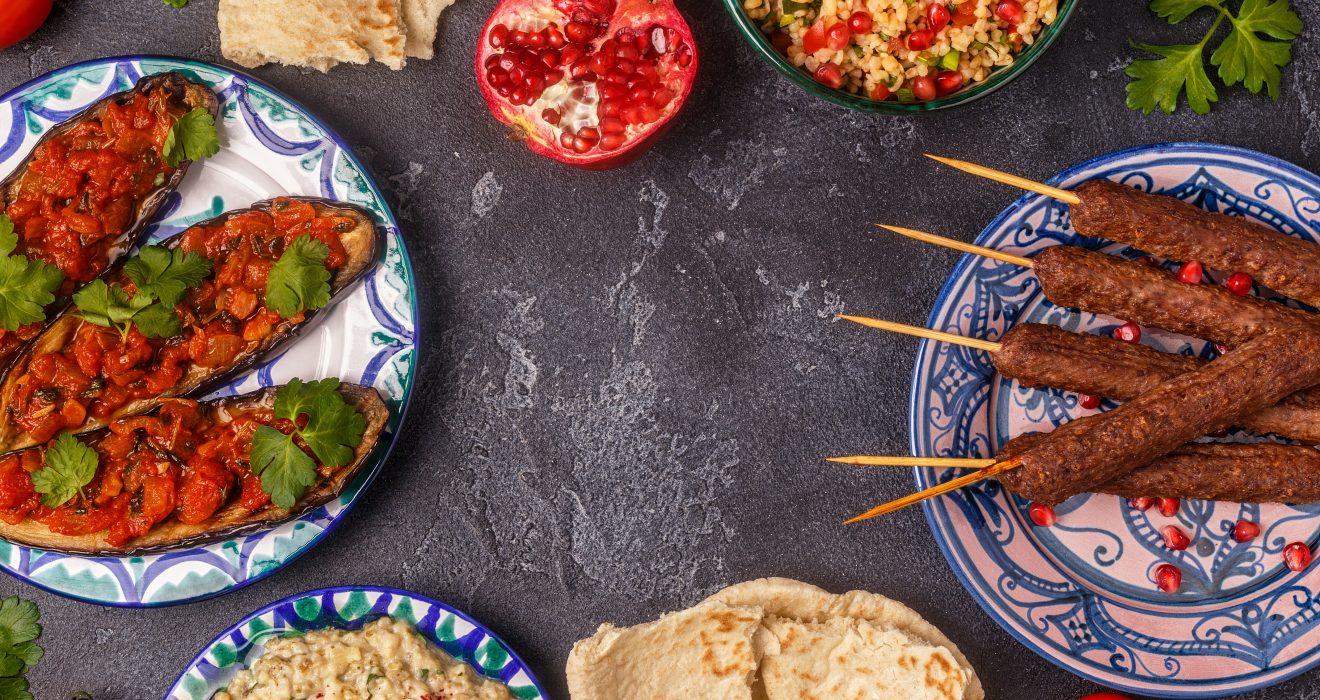
Another reason for Halal food’s rising popularity is culinary exploration. Food enthusiasts increasingly seek out authentic and diverse flavors, and Halal cuisine offers a wide variety of tastes and textures. From spicy biryanis and savory kebabs to desserts like baklava and dates stuffed with nuts, Halal food appeals to anyone looking for new and exciting culinary experiences.
Social media, cooking shows, and food blogs have also contributed to this trend, showcasing Halal dishes and techniques to a global audience.
Conclusion
Halal food is no longer confined to religious practice—it has become a global culinary and cultural phenomenon. Its growth is driven by the expanding Muslim population, ethical and humane food practices, perceived health benefits, globalization, and the universal appeal of flavorful, diverse cuisine.
Businesses, travelers, and food enthusiasts alike are embracing Halal products, leading to wider availability, innovation, and integration into mainstream food markets. As awareness of ethical sourcing and dietary compliance continues to rise, Halal food is likely to maintain its upward trajectory, becoming an integral part of global dining culture.