
How to Choose Authentic Halal Meat
Halal meat is not just about dietary preference—it is about religious compliance, ethical sourcing, and food safety. For Muslims and conscientious consumers worldwide, choosing authentic Halal meat ensures that the food meets Islamic law (Shariah), comes from healthy and ethically treated animals, and avoids contamination with Haram (forbidden) products. With the growing Halal food market, however, identifying authentic Halal meat can be challenging. This guide will provide practical tips and insights for choosing genuine Halal meat.
Understanding What Halal Meat Means
Halal meat refers to meat that has been slaughtered and prepared according to Islamic law. Key principles include:
-
The animal must be permissible (Halal) for consumption, such as cows, goats, sheep, and poultry. Pork and its by-products are strictly prohibited.
-
The slaughter must be done by a mentally competent Muslim who invokes the name of Allah at the time of slaughter.
-
The animal must be alive and healthy at the time of slaughter and treated humanely throughout its life.
-
Blood must be fully drained from the carcass, as consuming blood is forbidden in Islam.
Halal meat is not only a religious requirement but often reflects higher standards of hygiene, ethical treatment, and food safety.
1. Look for Recognized Halal Certification
The easiest way to ensure authenticity is to purchase meat from certified Halal sources. Consider:
-
Local Certification Authorities: Many countries have official Halal certification bodies, such as JAKIM in Malaysia, MUIS in Singapore, or IFANCA in the USA.
-
Packaging Labels: Look for logos or seals from recognized Halal authorities on packaged meat.
-
Digital Verification: Some certifications now provide QR codes or websites to verify the product’s Halal status.
Tip: Avoid relying solely on store claims. Not all meat labeled “Halal” is verified by recognized authorities.
2. Choose Reputable Butchers and Retailers
Purchasing meat from trusted butchers or Halal-certified stores increases the chances of authenticity:
-
Specialized Halal Butchers: These shops focus entirely on Halal products and maintain strict separation from non-Halal meat.
-
Known Chains: Established grocery chains with recognized Halal certification systems are generally reliable.
-
Word of Mouth: Recommendations from community members or trusted friends can guide you to reliable sources.
Tip: Visit the butcher or retailer to observe hygiene, handling practices, and transparency about their certification.
3. Inspect Meat Quality
Authentic Halal meat should also meet quality and freshness standards:
-
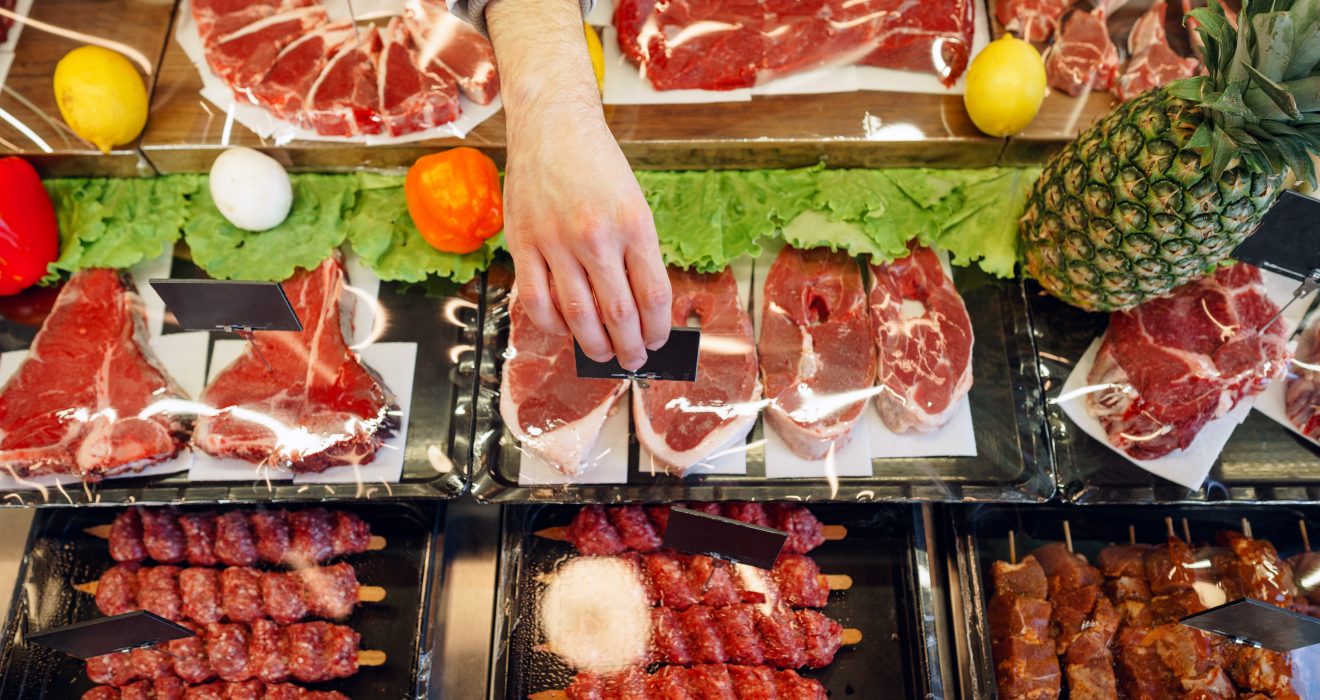
Appearance: Fresh meat should have a natural color (bright red for beef, pinkish for chicken) without dark spots or excessive moisture.
-
Smell: There should be no foul odor; fresh Halal meat has a clean, slightly sweet smell.
-
Texture: Meat should be firm and spring back when pressed lightly. Avoid meat that feels slimy or sticky.
-
Packaging: Vacuum-sealed or well-wrapped meat reduces contamination risk.
High-quality Halal meat not only aligns with religious requirements but also ensures better taste and safety.
4. Verify Slaughter Practices
When possible, verify how the animal was slaughtered:
-
Separate Slaughtering Area: Authentic Halal meat should never be cross-contaminated with non-Halal meat.
-
Proper Invocation: Ensure that the name of Allah was invoked at the time of slaughter.
-
Draining of Blood: The animal should be bled completely, as improper bleeding can render meat non-Halal.
Some certified butchers display slaughtering certificates or inspection reports, which can give additional assurance.
5. Consider Sourcing and Animal Welfare
Ethical sourcing is an essential aspect of authentic Halal meat:
-
Animals should be raised in clean, humane conditions, with proper feed and access to water.
-
Avoid meat from suppliers that use intensive factory farming methods without regard for welfare.
-
Organic or grass-fed options often align with both Halal principles and higher quality standards.
Choosing meat from ethical sources not only ensures compliance but also enhances flavor and health benefits.
6. Stay Updated on Halal Standards
The Halal industry is evolving with new certifications, regulations, and international trade standards:
-
Many countries now require strict labeling and digital verification of Halal meat.
-
International standards, such as those issued by the Gulf Cooperation Council Standardization Organization (GSO), provide global consistency in Halal compliance.
-
Keep an eye on local Halal authority announcements to ensure your suppliers are certified under the latest rules.
Being informed helps you avoid uncertified or questionable meat, especially when buying imported products.
7. Trust Your Senses and Community
While certification is critical, trust your senses and community recommendations:
-
If meat smells off, looks discolored, or is stored improperly, do not purchase it.
-
Communities often share tips on which shops or brands consistently provide authentic Halal meat.
-
Engage with local mosques or Halal associations to find verified suppliers.
Consumer vigilance complements official certification and ensures the integrity of your meals.
Conclusion
Choosing authentic Halal meat requires awareness, vigilance, and reliance on trusted sources. By selecting certified suppliers, inspecting meat quality, verifying slaughter practices, and considering ethical sourcing, you can confidently serve Halal meals that comply with Islamic law.
As the global Halal industry grows, technology and certification systems are making it easier than ever to verify authenticity. For families, restaurants, and food businesses, investing time and effort in sourcing genuine Halal meat ensures religious compliance, food safety, and high-quality dining experiences.