
Simple Tips for Healthy Halal Meals
Maintaining a healthy Halal diet doesn’t have to be complicated. By combining Halal principles with smart food choices, you can enjoy meals that are nutritious, satisfying, and aligned with Islamic dietary guidelines. Here are simple tips for preparing and enjoying healthy Halal meals.
1. Choose Fresh and Whole Ingredients
-
Prioritize fresh fruits, vegetables, whole grains, and lean Halal meats.
-
Avoid heavily processed foods, as they often contain hidden sugars, unhealthy fats, or non-Halal additives.
-
Use seasonal produce for maximum flavor and nutrients.
Tip: Fresh ingredients not only taste better but also retain more vitamins and minerals.
2. Opt for Lean Halal Proteins
-
Select Halal-certified chicken, beef, lamb, or fish.
-
Include plant-based proteins such as lentils, chickpeas, and beans for variety.
-
Remove excess fat from meat before cooking to reduce saturated fat intake.
Tip: Grilled, baked, or steamed meat is healthier than deep-fried options.
3. Incorporate Plenty of Vegetables
-
Fill half your plate with vegetables for fiber, vitamins, and minerals.
-
Include a variety of colors to ensure a wide range of nutrients.
-
Add vegetables to curries, sandwiches, wraps, and salads.
Tip: Roasting or steaming vegetables preserves nutrients while adding flavor.
4. Use Healthy Cooking Methods
-
Prefer grilling, baking, steaming, or sautéing over deep-frying.
-
Use minimal amounts of healthy oils like olive oil or canola oil.
-
Limit the use of heavy creams or excessive butter in traditional Halal recipes.
Tip: Even Halal street food can be made healthier by adjusting cooking methods.
5. Moderate Portion Sizes
-
Avoid oversized portions, especially of rice, bread, or fried foods.
-
Balance meals with protein, vegetables, and whole grains.
-
Listen to your body and stop eating when satisfied.
Tip: Use smaller plates to help control portions without feeling deprived.
6. Reduce Salt and Sugar
-
Limit added salt in Halal meals to support heart health.
-
Reduce sugary drinks, desserts, and syrups.
-
Use natural flavor enhancers like herbs, spices, garlic, and lemon juice.
Tip: Spices like turmeric, cumin, and coriander not only add flavor but also have health benefits.
7. Include Whole Grains
-
Choose brown rice, whole wheat bread, oats, and quinoa instead of refined grains.
-
Whole grains provide fiber, sustain energy, and improve digestion.
Tip: Swap white rice for brown or basmati rice in traditional Halal dishes.
8. Drink Plenty of Water
-
Aim for 6–8 glasses of water daily.
-
Limit sugary drinks, sodas, and artificially flavored beverages.
-
Herbal teas or infused water are excellent Halal-friendly options.
Tip: Drinking water before meals can help control appetite and improve digestion.
9. Plan Balanced Meals
-
Include protein, vegetables, and whole grains in every meal.
-
Prepare meals in advance to avoid unhealthy last-minute choices.
-
Rotate different proteins and vegetables for variety and nutrition.
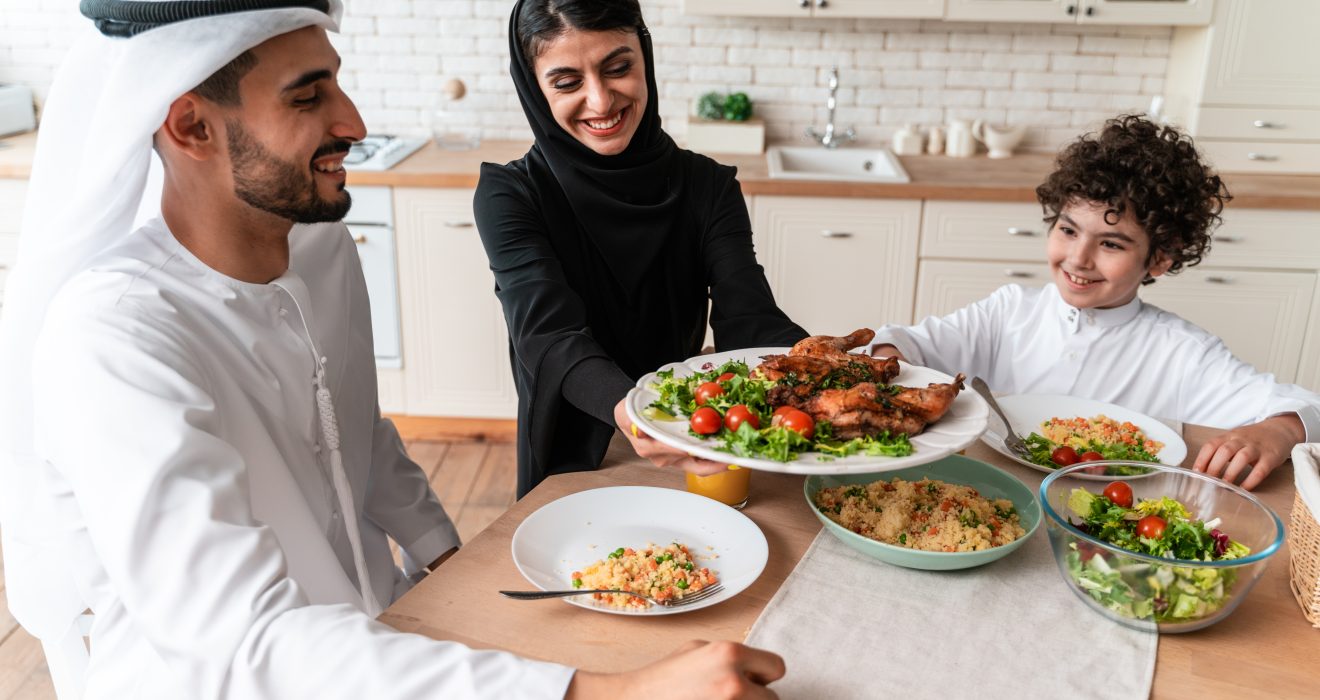
Tip: A sample healthy Halal meal: grilled chicken, steamed broccoli, and brown rice with a side of salad.
10. Practice Mindful Eating
-
Eat slowly and savor each bite.
-
Avoid distractions like TV or smartphones during meals.
-
Reflect on the blessings of Halal food to foster gratitude and mindfulness.
Tip: Mindful eating can improve digestion and prevent overeating.
Conclusion
Creating healthy Halal meals is simple when you focus on fresh, whole ingredients, balanced nutrition, and mindful cooking practices.
Key Takeaways:
-
Choose lean Halal proteins and plenty of vegetables.
-
Prefer healthy cooking methods like grilling or steaming.
-
Control portions and limit salt, sugar, and processed foods.
-
Drink water, eat mindfully, and enjoy meals in moderation.
By following these simple tips, you can enjoy delicious, nutritious, and Halal-friendly meals that support your physical health and spiritual wellbeing.