
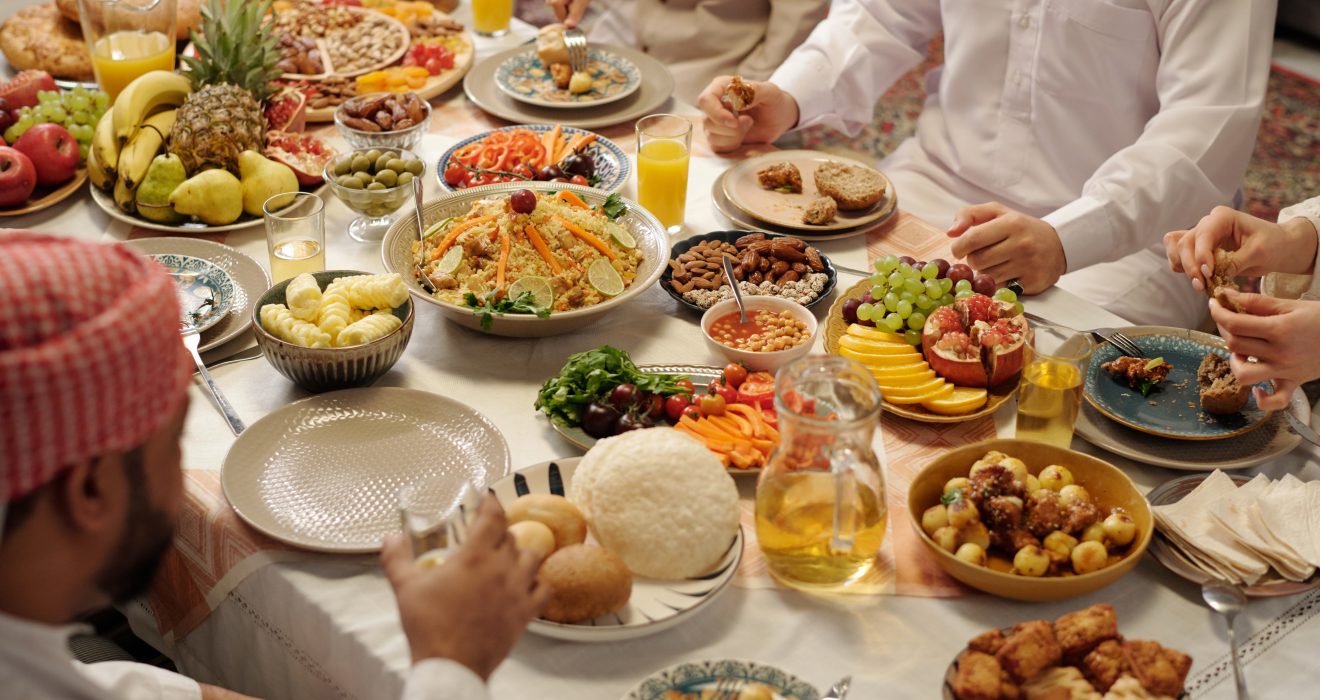
Best Halal Foods for Suhoor and Iftar
During Ramadan, choosing the right Halal foods for Suhoor and Iftar is essential for maintaining energy, hydration, and overall health. Suhoor (pre-dawn meal) should be sustaining and nourishing, while Iftar (meal to break the fast) should replenish energy and fluids without overloading the body. Here’s a guide to the best Halal foods for each meal.
Best Halal Foods for Suhoor
Suhoor should provide long-lasting energy and keep you hydrated throughout the fasting hours. Focus on slow-digesting foods, protein, and fiber.
1. Whole Grains
-
Examples: Oats, whole wheat bread, brown rice, quinoa
-
Benefit: Provide complex carbohydrates for slow energy release.
-
Tip: Try oatmeal with fruits and nuts for a filling breakfast.
2. Protein-Rich Foods
-
Examples: Halal eggs, yogurt, cottage cheese, lean chicken or fish
-
Benefit: Keeps you full longer and supports muscle health.
-
Tip: Prepare an egg omelet with vegetables or a yogurt smoothie with fruits.
3. Fruits and Vegetables
-
Examples: Bananas, dates, berries, cucumbers, spinach
-
Benefit: Hydration, vitamins, and fiber for digestion.
-
Tip: Include high-water fruits like watermelon or oranges to stay hydrated.
4. Healthy Fats
-
Examples: Nuts, seeds, avocado, olive oil
-
Benefit: Provides long-lasting energy and supports brain function.
-
Tip: Add almonds or chia seeds to yogurt or oats.
5. Hydrating Drinks
-
Examples: Water, milk, herbal teas
-
Benefit: Prevents dehydration during fasting hours.
-
Tip: Drink 2–3 glasses of water at Suhoor, avoiding caffeinated drinks.
Best Halal Foods for Iftar
Iftar should replenish energy, restore hydration, and prevent digestive discomfort. Start with light foods and gradually transition to a balanced meal.
1. Dates
-
Benefit: Traditional and recommended, provide instant energy and natural sugars.
-
Tip: Break your fast with 2–3 dates and water before your main meal.
2. Hydrating Fluids
-
Examples: Water, coconut water, fruit juices (unsweetened)
-
Benefit: Rehydrates the body quickly after fasting.
-
Tip: Avoid sugary soft drinks immediately after fasting.
3. Soups
-
Examples: Lentil soup, vegetable soup, chicken broth
-
Benefit: Light, easy to digest, and hydrating.
-
Tip: Warm soups prepare your stomach for solid foods.
4. Protein-Rich Foods
-
Examples: Grilled Halal chicken, fish, beef, eggs
-
Benefit: Rebuilds energy and supports muscle repair.
-
Tip: Include lean, grilled, or baked options instead of fried foods.
5. Whole Grains and Fiber
-
Examples: Brown rice, whole wheat bread, quinoa, lentils
-
Benefit: Sustained energy and healthy digestion.
-
Tip: Serve with protein and vegetables for a balanced meal.
6. Vegetables and Salads
-
Examples: Spinach, cucumbers, tomatoes, carrots
-
Benefit: Vitamins, minerals, and fiber for digestive health.
-
Tip: Lightly cooked or fresh salads are easy to digest after fasting.
7. Healthy Desserts
-
Examples: Dates, fruit chaat, yogurt-based desserts
-
Benefit: Satisfies sweet cravings naturally without excess sugar.
-
Tip: Avoid deep-fried desserts or high-sugar pastries immediately after Iftar.
Tips for Healthy Suhoor and Iftar
-
Hydrate first: Drink water before eating heavy foods.
-
Start light: Begin Iftar with dates and a small soup portion.
-
Balance meals: Include protein, carbs, healthy fats, and vegetables.
-
Limit fried and sugary foods: Heavy meals can cause sluggishness.
-
Portion control: Eat moderate portions to avoid digestive discomfort.
-
Prepare in advance: Meal prep helps maintain balanced and nutritious meals.
Sample Suhoor Meal
-
Oatmeal with milk, nuts, and banana
-
Boiled eggs or scrambled eggs with whole-grain toast
-
1–2 glasses of water
Sample Iftar Meal
-
3 dates and water to break fast
-
Lentil soup or vegetable soup
-
Grilled Halal chicken with brown rice and steamed vegetables
-
Fresh fruit salad or yogurt for dessert
Conclusion
Choosing the right Halal foods for Suhoor and Iftar helps you stay energized, hydrated, and healthy during Ramadan. Focus on:
-
Suhoor: Slow-digesting carbs, protein, healthy fats, and hydrating fruits
-
Iftar: Light, nutrient-rich foods, protein, vegetables, and hydrating fluids
Following these tips ensures a balanced, nutritious, and Halal-friendly Ramadan diet that supports both physical and spiritual wellbeing.