
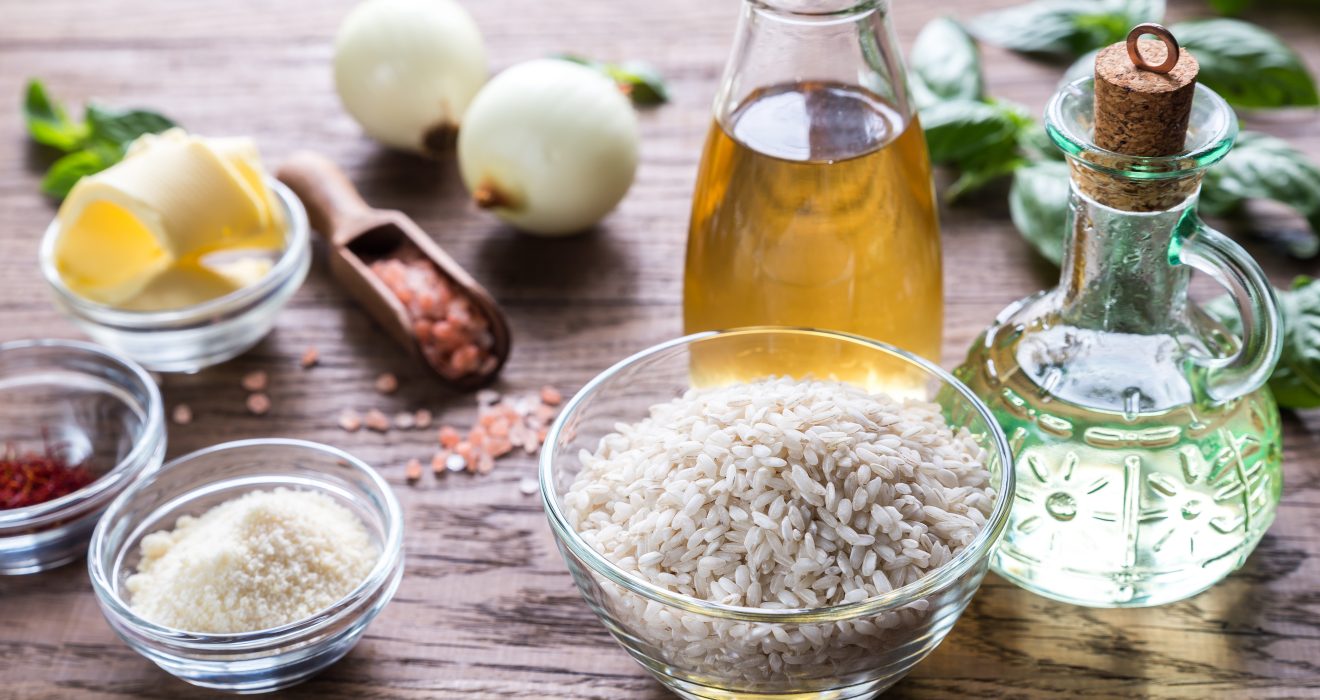
Common Halal Ingredients Used in Cooking
Cooking Halal meals isn’t just about avoiding prohibited (Haram) foods—it also involves using ingredients that are permissible, clean, and ethically sourced. Whether you’re preparing everyday meals, festive dishes, or international cuisine, knowing which ingredients are Halal ensures that your food complies with Islamic dietary laws. This guide highlights the most common Halal ingredients used in cooking and explains why they matter.
What Makes an Ingredient Halal?
An ingredient is considered Halal if it:
-
Comes from permissible sources – e.g., beef, lamb, chicken, vegetables, fruits, grains, and permissible seafood.
-
Does not contain Haram elements – e.g., pork, pork by-products, alcohol, or non-Halal gelatin.
-
Is processed and handled correctly – no cross-contamination with Haram ingredients during production, packaging, or storage.
Using Halal ingredients ensures that every meal is compliant, healthy, and ethically prepared.
Common Protein Sources
1. Chicken
-
Widely used in Halal cooking.
-
Must be slaughtered according to Halal standards.
-
Often used in curries, biryanis, grilled dishes, and soups.
2. Beef and Lamb
-
Common in Middle Eastern, South Asian, and Western Halal dishes.
-
Halal-certified beef and lamb are preferred for authenticity.
-
Found in stews, kebabs, curries, and roasts.
3. Seafood
-
Most seafood is Halal according to Islamic law, including fish, shrimp, and calamari.
-
Often used in curries, fried dishes, and sushi prepared with Halal-certified ingredients.
4. Eggs
-
Eggs from permissible birds like chickens, ducks, and quails are Halal.
-
Used in baking, breakfast dishes, and desserts.
Halal-Friendly Dairy Products
-
Milk and Cream: Ensure they are free from animal rennet or non-Halal additives.
-
Cheese: Only cheese made with Halal-certified rennet or microbial rennet is permissible.
-
Yogurt and Butter: Natural or Halal-certified variants are commonly used in cooking and baking.
Grains, Pulses, and Legumes
These are naturally Halal and form the base of many meals:
-
Rice: Basmati, jasmine, or short-grain rice is Halal.
-
Wheat and Flour: Used in bread, pastries, and pasta.
-
Lentils, Chickpeas, Beans: Essential for soups, curries, and stews.
These ingredients are staple foods in Middle Eastern, South Asian, and African cuisines.
Fruits and Vegetables
All fresh fruits and vegetables are inherently Halal:
-
Common vegetables: tomatoes, potatoes, spinach, onions, garlic, peppers.
-
Fruits: dates, apples, oranges, bananas, berries.
-
Herbs and spices: coriander, cumin, turmeric, cinnamon, cardamom, saffron.
Fresh produce must be washed properly and handled separately from non-Halal ingredients in mixed kitchens.
Halal Oils and Fats
-
Vegetable Oils: Sunflower, olive, canola, and coconut oils are Halal.
-
Animal Fats: Only from Halal-slaughtered animals (e.g., ghee made from Halal cow or buffalo milk).
-
Butter: Halal-certified butter is preferred for baking or sautéing.
Common Halal Seasonings and Condiments
-
Spices: Black pepper, turmeric, cumin, paprika, chili powder, ginger, and garlic powder.
-
Herbs: Basil, parsley, mint, thyme, rosemary.
-
Sauces: Tomato paste, soy sauce (ensure alcohol-free), vinegar (made from permissible sources).
When purchasing processed seasonings, always check labels for hidden alcohol, animal-derived enzymes, or gelatin.
Sweeteners and Baking Ingredients
-
Sugar and Honey: Naturally Halal, used in desserts and drinks.
-
Gelatin: Only Halal-certified gelatin from permissible animals is allowed.
-
Chocolate and Cocoa: Must be free from non-Halal emulsifiers or alcohol-based flavorings.
Tips for Ensuring Ingredients Are Halal
-
Check Certification: Look for a Halal logo on packaged ingredients.
-
Avoid Cross-Contamination: Keep Halal and non-Halal ingredients separate.
-
Read Labels Carefully: Watch for hidden alcohol, enzymes, or non-Halal additives.
-
Choose Trusted Suppliers: Purchase from Halal-certified stores or butchers.
-
Use Fresh Produce and Grains: Naturally Halal ingredients reduce the risk of non-compliance.
Conclusion
Cooking Halal meals is about careful selection, ethical sourcing, and awareness of ingredient origins. By using Halal-certified proteins, dairy, grains, fruits, vegetables, oils, and seasonings, you can prepare meals that are religiously compliant, nutritious, and delicious.
With a growing global Halal market, more brands and products are offering certified ingredients, making it easier than ever to maintain a Halal kitchen. Whether preparing everyday meals or festive dishes, choosing authentic Halal ingredients ensures both spiritual adherence and high-quality cooking.