Hidden Haram Ingredients in Processed Foods
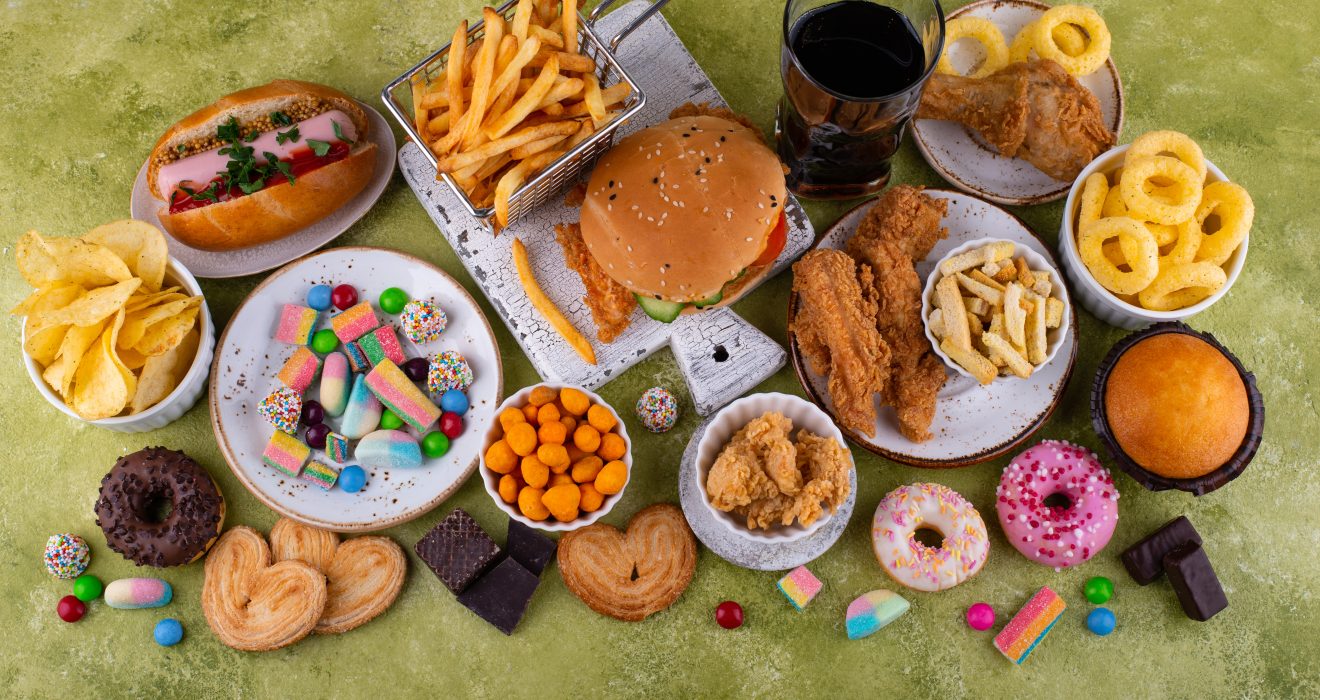
In today’s fast-paced world, processed and packaged foods are a staple in many households. While convenient, these products can sometimes contain hidden Haram ingredients, making them non-compliant with Islamic dietary laws. For Muslims striving to eat Halal, understanding these hidden components is essential. This guide explores common Haram ingredients, why they are prohibited, and how to avoid them in processed foods.
What Makes an Ingredient Haram?
An ingredient is considered Haram if it is forbidden under Islamic law. Common reasons include:
-
Prohibited animals or by-products – e.g., pork, gelatin from non-Halal sources, and certain animal fats.
-
Alcohol or intoxicants – any form of ethanol, wine, or alcoholic flavorings.
-
Non-Halal slaughter – meat or poultry from animals not slaughtered according to Shariah.
-
Contamination – cross-contact with Haram ingredients during processing, storage, or transportation.
Haram ingredients are not always obvious on packaging, making vigilance essential for Halal compliance.
1. Pork and Pork By-Products
Pork is explicitly forbidden in Islam, but it may appear in processed foods in less obvious forms:
-
Gelatin: Often derived from pigs and used in candies, marshmallows, desserts, yogurts, and capsules.
-
Lard: Rendered pig fat used in pastries, baked goods, and margarine.
-
Enzymes and Extracts: Some processed cheeses, baked products, and flavorings use pork-derived enzymes.
Tip: Always check labels and look for Halal-certified gelatin or fats.
2. Non-Halal Meat or Animal By-Products
-
Rennet: Used in cheese making, can be derived from non-Halal slaughtered animals.
-
Meat Extracts and Stock: Found in soups, sauces, instant noodles, and snacks. If the animal is not Halal-slaughtered, it’s Haram.
-
Animal Shortening: Some baked goods and fast foods contain animal-based shortening from non-Halal sources.
Tip: Look for certification labels like IFANCA, JAKIM, or other recognized Halal authorities.
3. Alcohol and Ethanol
Even small amounts of alcohol make food Haram:
-
Flavored Extracts: Vanilla extract and other flavorings may contain alcohol.
-
Wine Vinegars or Fermented Ingredients: Sometimes used in sauces, dressings, or marinades.
-
Preservatives: Certain processed foods may include ethanol-based preservatives.
Tip: Seek products labeled alcohol-free or Halal-certified.
4. Gelatin and Collagen
Gelatin is commonly used in:
-
Marshmallows
-
Gummies and candy
-
Yogurt and dessert toppings
-
Capsules for supplements and vitamins
If gelatin is sourced from pigs or non-Halal-slaughtered animals, it is Haram. Alternatives include fish-based or plant-based gelatin, which are Halal.
5. Emulsifiers, Enzymes, and Additives
Some additives in processed foods may be derived from Haram sources:
-
Emulsifiers: Such as mono- and diglycerides, which can come from animal fat.
-
Enzymes: Used in cheese, bread, or pastries, sometimes extracted from non-Halal animals.
-
Flavor Enhancers: Some contain alcohol-based or animal-derived ingredients.
Tip: Look for products labeled Halal-certified additives or check with the manufacturer.
6. Hidden Haram Ingredients in International Foods
Certain cuisines may use ingredients that are Halal in appearance but Haram in origin:
-
Asian sauces: Oyster sauce or fish sauce may be mixed with non-Halal ingredients.
-
Processed meats: Sausages, hot dogs, and deli meats often contain pork, lard, or non-Halal gelatin.
-
Baked goods: Some breads and pastries use lard, shortening, or non-Halal enzymes.
Being aware of these potential sources helps consumers avoid accidental Haram consumption.
How to Avoid Hidden Haram Ingredients
-
Look for Halal Certification: A trusted seal from recognized authorities ensures compliance.
-
Read Labels Carefully: Check ingredient lists for gelatin, lard, rennet, alcohol, and emulsifiers.
-
Ask Questions: Contact manufacturers if ingredients are unclear.
-
Purchase from Halal Suppliers: Butchers, bakeries, and stores specializing in Halal products reduce risk.
-
Stay Updated: Regulatory changes and new additives are constantly introduced, so staying informed is essential.
Conclusion
Hidden Haram ingredients in processed foods are more common than many realize. From pork-derived gelatin and lard to alcohol-containing flavorings and non-Halal meat extracts, these substances can make food non-compliant for Muslims.
By choosing Halal-certified products, reading labels carefully, and sourcing ingredients responsibly, consumers can enjoy processed foods with confidence. Awareness of hidden Haram components is key to maintaining a Halal diet, ethical consumption, and religious adherence in modern, convenience-focused food environments.