
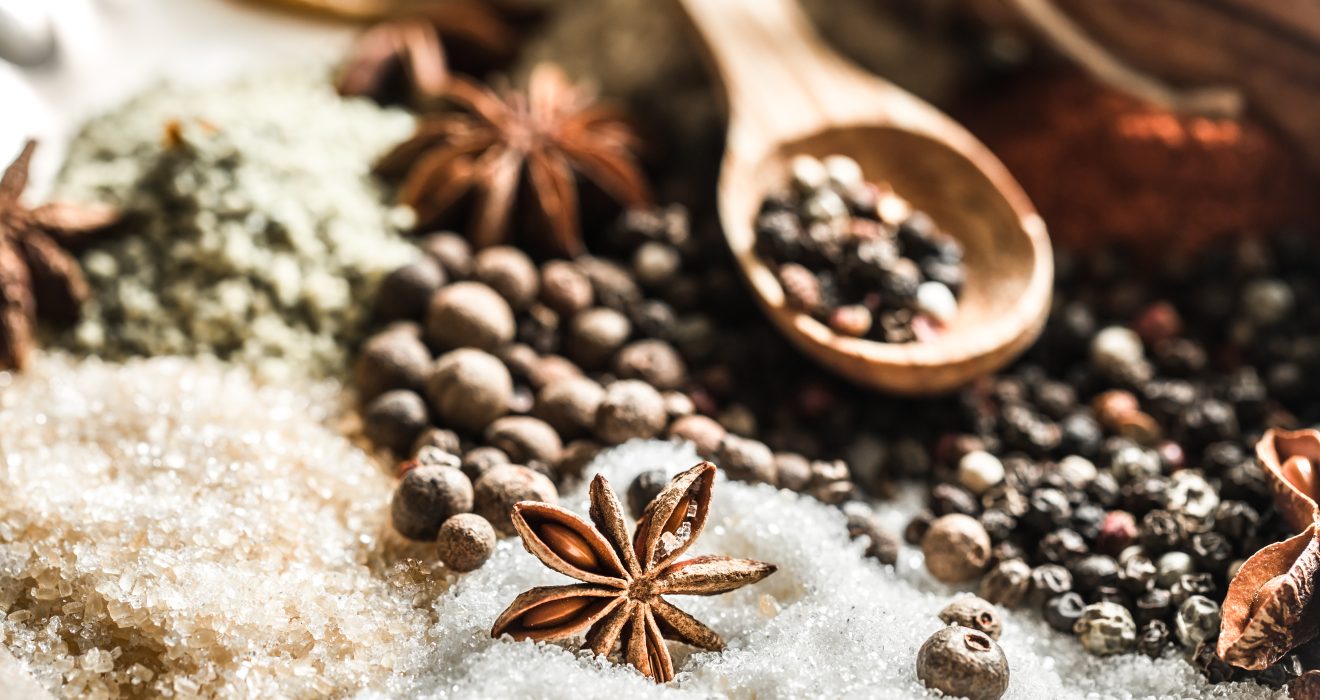
Best Spices for Halal Cooking
Spices are the heart of flavorful cooking, and in Halal cuisine, they play a crucial role in transforming simple ingredients into aromatic, delicious meals. Halal cooking emphasizes permissible ingredients, ethical sourcing, and balanced flavors, and choosing the right spices is essential for maintaining authenticity and enhancing taste. This guide explores the best spices for Halal cooking, their uses, and tips for selecting quality spices.
Why Spices Matter in Halal Cooking
Spices are more than flavoring agents—they also:
-
Enhance Taste: They bring depth, aroma, and character to meat, poultry, seafood, and vegetarian dishes.
-
Preserve Food: Certain spices, like turmeric and garlic, have natural antimicrobial properties.
-
Promote Health: Many spices are rich in antioxidants, vitamins, and minerals.
-
Maintain Halal Integrity: Using natural, plant-based spices avoids hidden Haram additives or alcohol-based extracts.
In Halal cooking, spices are often paired with Halal meats, vegetables, grains, and legumes to create balanced and wholesome meals.
1. Black Pepper
-
Flavor Profile: Warm, pungent, slightly sharp.
-
Common Uses: Seasoning for meats, stews, soups, and salads.
-
Tip: Freshly ground black pepper releases more aroma and enhances flavor.
Black pepper is versatile and works well in Middle Eastern, South Asian, and Western Halal dishes.
2. Cumin
-
Flavor Profile: Earthy, warm, and slightly bitter.
-
Common Uses: Curries, rice dishes, soups, and marinades.
-
Tip: Toasting cumin seeds before cooking enhances their aroma.
Cumin is widely used in Halal Indian, Pakistani, and Arabic cuisine, pairing perfectly with beef, lamb, and chicken.
3. Turmeric
-
Flavor Profile: Mild, slightly bitter, with a warm golden color.
-
Common Uses: Curries, rice dishes, soups, and marinades.
-
Tip: Combine with black pepper to increase bioavailability of curcumin, the active compound.
Turmeric is a staple in Halal cooking, providing color, flavor, and health benefits.
4. Cinnamon
-
Flavor Profile: Sweet, warm, and woody.
-
Common Uses: Desserts, rice dishes, tagines, and beverages.
-
Tip: Use whole sticks for slow-cooked dishes and ground cinnamon for baking.
Cinnamon adds a rich aroma to Halal meals, especially in Middle Eastern and South Asian cooking.
5. Cardamom
-
Flavor Profile: Sweet, floral, slightly citrusy.
-
Common Uses: Rice dishes like biryani, teas, desserts, and meat marinades.
-
Tip: Crush pods gently to release flavor; avoid using too much as it can overpower other spices.
Cardamom is a key spice in Halal festive dishes and aromatic rice preparations.
6. Coriander
-
Flavor Profile: Citrus-like, slightly sweet.
-
Common Uses: Curries, soups, marinades, and spice blends.
-
Tip: Toast coriander seeds lightly for extra flavor, or use ground coriander for convenience.
Coriander is common in Halal meat dishes, lentil soups, and vegetable stews.
7. Cloves
-
Flavor Profile: Warm, sweet, slightly bitter, and aromatic.
-
Common Uses: Rice dishes, meat stews, beverages, and desserts.
-
Tip: Use sparingly, as cloves have a strong flavor that can dominate a dish.
Cloves enhance the aroma of Halal meat and rice dishes, especially in festive or slow-cooked recipes.
8. Ginger
-
Flavor Profile: Spicy, pungent, and slightly sweet.
-
Common Uses: Marinades, stir-fries, curries, teas, and baked goods.
-
Tip: Fresh ginger provides stronger flavor than powdered; grate or slice as needed.
Ginger is versatile in Halal cooking, complementing chicken, beef, lamb, seafood, and vegetable dishes.
9. Garlic
-
Flavor Profile: Pungent, earthy, slightly sweet when cooked.
-
Common Uses: Marinades, stir-fries, soups, sauces, and dressings.
-
Tip: Sauté garlic gently to avoid bitterness; use fresh cloves for best aroma.
Garlic is essential in Halal cuisines worldwide, adding depth and richness to savory dishes.
10. Chili Powder and Paprika
-
Flavor Profile: Chili powder is hot and pungent; paprika is mild and smoky.
-
Common Uses: Curries, rice dishes, marinades, and grilled meats.
-
Tip: Adjust quantity to control heat; smoked paprika adds depth without spiciness.
These spices are popular in Halal Asian, Middle Eastern, and North African cooking, giving vibrant color and flavor.
Tips for Selecting Quality Spices
-
Buy Whole Spices: Whole seeds and pods retain aroma longer than pre-ground spices.
-
Check for Freshness: Spices lose potency over time; avoid expired products.
-
Store Properly: Keep in airtight containers, away from sunlight and moisture.
-
Verify Halal Certification: Some processed spice blends may contain non-Halal additives.
-
Use Blends Wisely: Popular blends like Garam Masala or Ras el Hanout should be Halal-certified.
Conclusion
Spices are the soul of Halal cooking, transforming Halal meats, grains, vegetables, and legumes into flavorful, aromatic meals. By selecting high-quality, natural, and Halal-certified spices, you can create dishes that are both religiously compliant and delicious.
From the warmth of cumin and cinnamon to the pungency of ginger and garlic, these spices provide a foundation for Middle Eastern, South Asian, and global Halal cuisine. Mastering their use ensures every meal is aromatic, wholesome, and true to Halal principles.