
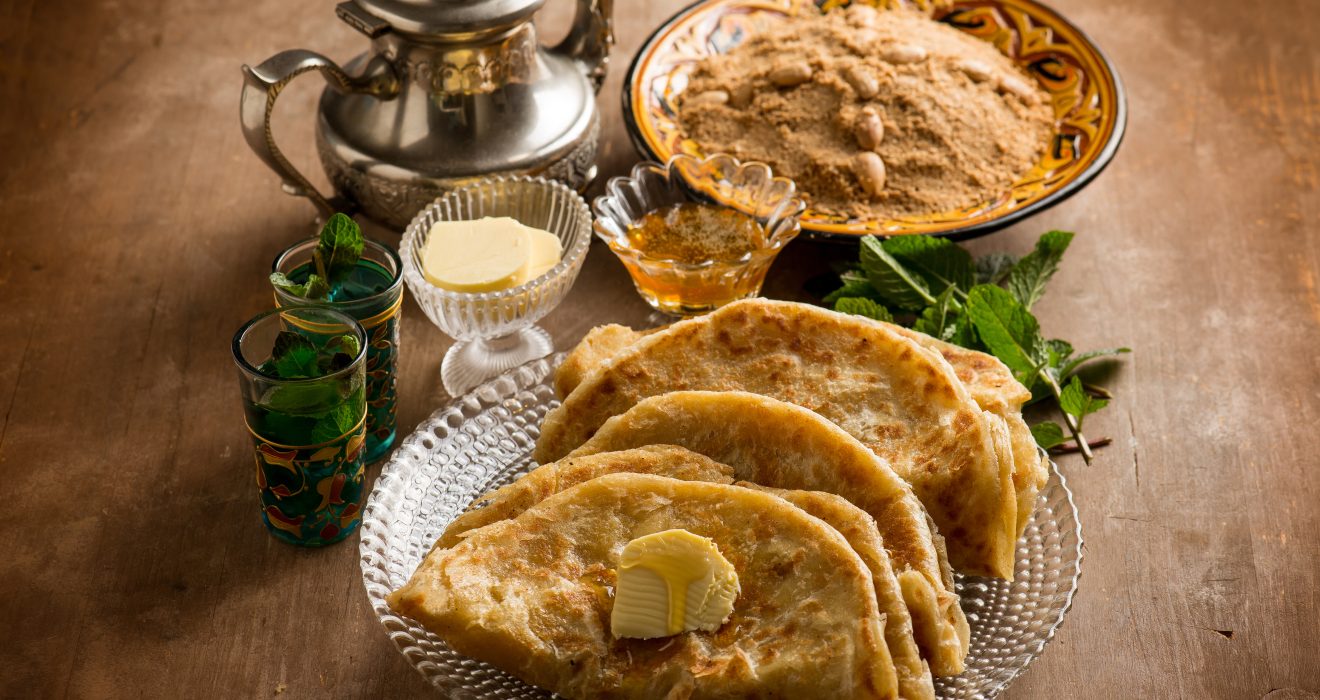
Traditional Pakistani Halal Breakfast Recipes
Breakfast in Pakistan is not just a meal—it’s a celebration of flavors, textures, and wholesome ingredients. A traditional Pakistani breakfast combines Halal proteins, fresh vegetables, lentils, and spices to create hearty, flavorful dishes that fuel the day. For Muslims, ensuring that all ingredients are Halal is essential, and traditional recipes often naturally comply with Halal dietary guidelines. Here’s a guide to some of the most popular and beloved Pakistani Halal breakfast recipes.
1. Halwa Puri
Halwa Puri is a classic Pakistani breakfast, often enjoyed during weekends and special occasions. It combines deep-fried puris, semolina halwa, and flavorful chickpea curry.
Ingredients:
-
Puris: Wheat flour, water, and a pinch of salt (deep-fried in vegetable oil)
-
Halwa: Semolina, sugar, Halal butter, and cardamom
-
Chana Masala: Boiled chickpeas, onions, tomatoes, garlic, ginger, and spices like cumin, coriander, and turmeric
Why it’s special: The combination of sweet halwa and savory puri with spiced chickpeas offers a satisfying balance of flavors. Halwa Puri is fully Halal when prepared with Halal-certified ingredients.
2. Nihari
Nihari is a slow-cooked meat stew, traditionally eaten for breakfast in Punjab and other regions. It’s rich in flavor and protein, making it a hearty start to the day.
Ingredients:
-
Halal beef or lamb shank
-
Onions, garlic, and ginger
-
Spices: fennel seeds, black pepper, cloves, cinnamon, and chili powder
-
Ghee or Halal oil for cooking
Why it’s special: Nihari is cooked slowly to allow the meat to become tender and the flavors to blend perfectly. It is traditionally served with naan or paratha. Using Halal meat ensures the dish complies with Islamic dietary rules.
3. Aloo Paratha
Aloo Paratha is a stuffed flatbread with a spicy mashed potato filling. It is a popular choice across Pakistan for breakfast or brunch.
Ingredients:
-
Dough: Wheat flour, water, salt, and oil or Halal butter
-
Filling: Boiled potatoes, green chilies, coriander, cumin, and salt
-
Optional: Served with yogurt, pickles, or Halal butter
Why it’s special: Aloo Paratha is both filling and flavorful. It combines carbohydrates and spices to give a satisfying breakfast experience. Using Halal butter and ensuring the oil is Halal-certified keeps the meal compliant.
4. Chana Chaat
Chana Chaat is a healthy and protein-rich breakfast made from boiled chickpeas and fresh vegetables. It’s light, refreshing, and easy to prepare.
Ingredients:
-
Boiled chickpeas
-
Chopped tomatoes, onions, cucumbers, and coriander
-
Lemon juice, black salt, chaat masala, and green chilies
-
Optional: Pomegranate seeds for extra flavor
Why it’s special: Chana Chaat provides a nutritious breakfast with fiber, protein, and vitamins. All ingredients are naturally Halal, making it an excellent choice for a quick morning meal.
5. Anda Paratha (Egg-Stuffed Paratha)
Anda Paratha is a fusion of eggs and flatbread, offering a protein-rich breakfast option that’s both tasty and filling.
Ingredients:
-
Wheat flour for the paratha dough
-
Eggs (Halal-certified)
-
Onions, tomatoes, and green chilies
-
Halal oil or butter for cooking
Why it’s special: The paratha is stuffed with a spiced egg mixture, making it a wholesome, balanced breakfast with carbs and protein. It is often served with yogurt or pickle.
6. Paye (Trotters Stew)
Paye is a traditional breakfast dish, especially in Punjab and Karachi. It is a slow-cooked stew made from Halal cow or goat trotters.
Ingredients:
-
Halal beef or goat trotters
-
Onions, ginger, garlic, and spices like black pepper, turmeric, and coriander
-
Ghee or Halal oil for cooking
Why it’s special: Paye is rich in protein and collagen, making it a nourishing breakfast. It’s usually served with naan and a squeeze of lemon. Proper use of Halal-certified meat ensures the dish complies with Islamic dietary laws.
Tips for Preparing Halal Pakistani Breakfasts
-
Use Halal-Certified Meat: Ensure all meat and poultry are Halal-slaughtered.
-
Check Dairy and Oil: Use Halal-certified butter, ghee, or yogurt.
-
Fresh Ingredients: Fresh vegetables, herbs, and spices enhance flavor and nutrition.
-
Plan Ahead: Some dishes, like Nihari or Paye, require slow cooking. Preparing them the night before saves time.
-
Balance Your Meal: Combine protein, healthy fats, and carbohydrates for a satisfying breakfast.
Conclusion
Traditional Pakistani breakfasts are flavorful, diverse, and naturally aligned with Halal dietary guidelines when prepared with Halal ingredients. From hearty meat-based dishes like Nihari and Paye to vegetarian options like Aloo Paratha and Chana Chaat, there’s something for every taste and occasion. These breakfasts not only satisfy hunger but also provide energy and nutrition to start the day.
Incorporating Halal-certified ingredients ensures that your breakfast is compliant with Islamic principles while allowing you to enjoy authentic Pakistani flavors.