
Why Halal Food Matters for Muslims
Halal food holds deep religious, spiritual, and ethical significance for Muslims around the world. The word Halal comes from Arabic and means “permissible” or “lawful.” In the context of food, Halal refers to what Muslims are allowed to eat and drink according to Islamic law, known as Shariah. These dietary guidelines are based on teachings from the Quran and the traditions of the Prophet Muhammad (peace be upon him). For Muslims, choosing Halal food is not simply a dietary preference—it is an important part of practicing their faith and maintaining a lifestyle that aligns with Islamic values.
A Command from Islamic Teachings
One of the main reasons Halal food matters for Muslims is that it is directly connected to religious obedience. The Quran instructs Muslims to eat food that is both Halal (permissible) and Tayyib (pure and wholesome). This means Muslims are encouraged to choose food that is not only lawful but also clean, healthy, and ethically prepared.
By following Halal dietary rules, Muslims fulfill a command from Allah and demonstrate their commitment to living according to Islamic guidance. Just as prayer, fasting, and charity are acts of worship, eating Halal food can also be considered a form of worship because it reflects obedience and mindfulness in daily life.
Maintaining Spiritual Purity
Food has a strong connection with spirituality in Islam. Muslims believe that consuming Halal food helps maintain spiritual purity and strengthens their relationship with Allah. Eating food that is lawful and prepared according to Islamic guidelines allows Muslims to feel confident that their actions align with their faith.
On the other hand, consuming Haram (forbidden) foods such as pork or alcohol is believed to negatively affect a person’s spiritual state. Because of this, Muslims are careful to check ingredients, choose Halal-certified products, and ensure their meals follow Islamic dietary standards.
Ethical Treatment of Animals
Another reason Halal food is important is that it emphasizes the ethical treatment of animals. Islam teaches kindness and compassion toward all living creatures. The Halal method of slaughter, known as Zabiha, requires animals to be treated humanely and with respect.
During the Halal slaughter process, the animal must be healthy and alive at the time of slaughter, and the name of Allah is recited before the process begins. The cut is made quickly and carefully to minimize suffering, and the blood is drained from the body to ensure cleanliness.
These guidelines reflect Islam’s broader message of mercy and responsibility toward animals and the environment.
Cleanliness and Food Safety
Halal food also highlights the importance of cleanliness and hygiene. Islamic teachings place great emphasis on purity, both in personal habits and in food preparation. Halal guidelines require that food be handled in a clean environment and that it does not come into contact with Haram substances.
For example, Halal food must not be contaminated with pork products or alcohol. Utensils, cooking surfaces, and storage areas should be kept clean and separate from non-Halal items when possible. These practices help maintain high standards of hygiene and food safety.
Because of these strict standards, many people view Halal food as a symbol of quality and cleanliness.
Building Trust in Food Choices
In today’s global food industry, many food products contain complex ingredients that may come from different sources. This can make it difficult for consumers to know whether a product is Halal. For Muslims, Halal certification helps provide reassurance.
Halal certification is granted by recognized organizations that inspect food ingredients, production processes, and handling methods. When a product carries a Halal certification label, Muslim consumers can trust that it meets Islamic dietary requirements.
This certification system makes it easier for Muslims to maintain their dietary practices, especially when buying packaged foods or dining at restaurants.
Strengthening Muslim Identity
Following Halal dietary guidelines also plays a role in strengthening cultural and religious identity. Food is an important part of everyday life, and the choices people make about what they eat often reflect their beliefs and traditions.
For Muslims, eating Halal food helps reinforce a sense of belonging to the global Muslim community. Whether they are at home, traveling, or living in non-Muslim countries, maintaining Halal dietary practices allows Muslims to stay connected to their faith.
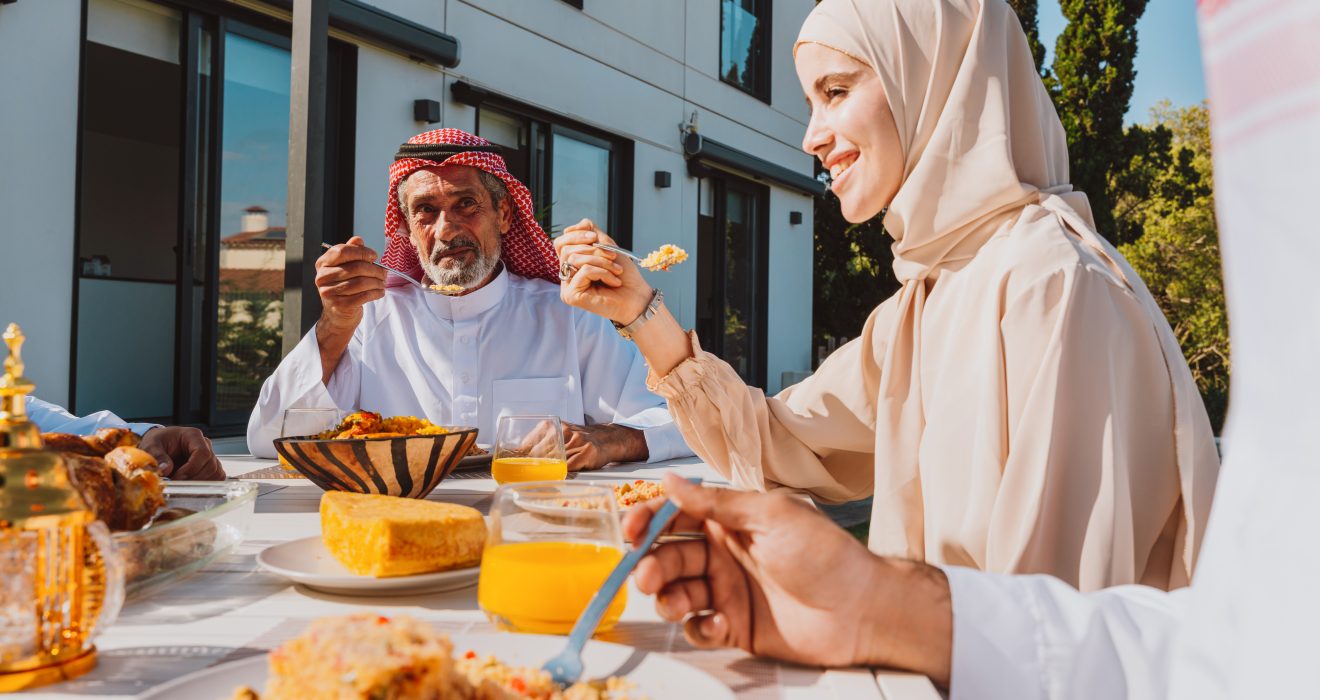
Halal food has also become an important part of Muslim culture, especially during special occasions such as Ramadan, Eid celebrations, family gatherings, and community events.
The Growing Global Importance of Halal
Today, Halal food is becoming more widely recognized across the world. The global Halal food market has grown significantly as the Muslim population increases and awareness about Halal standards spreads. Many international restaurants, food brands, and supermarkets now offer Halal-certified products.
Interestingly, Halal food is not only consumed by Muslims. Many non-Muslims are also choosing Halal products because they appreciate the strict hygiene standards, ethical animal treatment, and quality control involved in Halal food preparation.
Conclusion
Halal food matters deeply to Muslims because it reflects obedience to Islamic teachings, promotes spiritual purity, and encourages ethical and responsible food practices. By choosing Halal food, Muslims ensure that their daily meals align with their religious values and beliefs.
Beyond its religious significance, Halal food also represents cleanliness, compassion toward animals, and mindful consumption. As the demand for Halal products continues to grow around the world, understanding the importance of Halal food helps people appreciate the values and principles that guide Muslim dietary practices.