
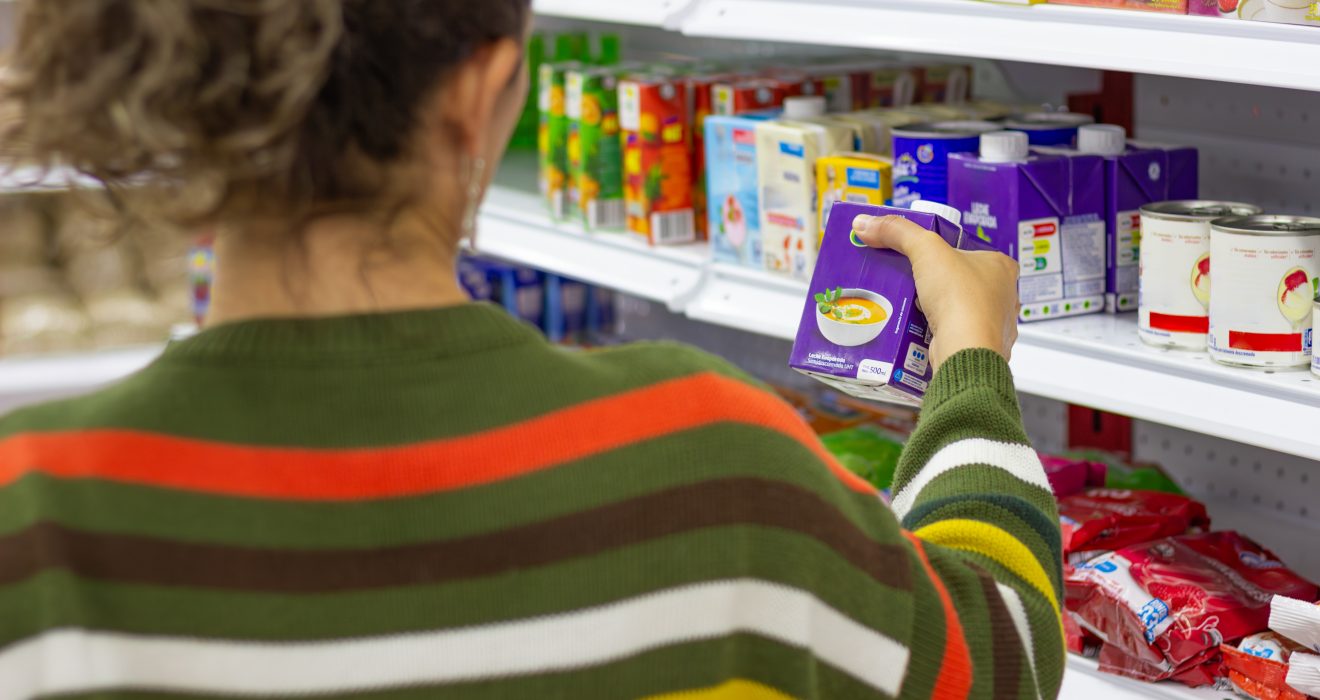
Reading Food Labels for Halal Ingredients
For Muslims striving to maintain a Halal diet, reading food labels carefully is a crucial step in avoiding Haram (forbidden) ingredients. Processed and packaged foods often contain hidden substances that may not be obvious, making it essential to understand labeling conventions, common Halal/non-Halal indicators, and certification marks. This guide will help you read food labels effectively to identify Halal ingredients and make informed dietary choices.
Why Reading Labels Matters
Food labels are more than just a list of ingredients—they provide critical information about the source, processing, and compliance of the product. Key reasons to read labels include:
-
Avoiding Hidden Haram Ingredients: Such as pork derivatives, alcohol, non-Halal gelatin, or animal-based enzymes.
-
Ensuring Halal Compliance: Helps verify that the product meets Islamic dietary laws.
-
Understanding Additives and Processing Aids: Some additives, flavorings, or emulsifiers may be derived from Haram sources.
-
Identifying Certified Products: Labels often indicate Halal certification by recognized authorities.
Without careful label reading, consumers may unknowingly consume non-compliant ingredients.
Step 1: Look for Halal Certification
The simplest way to identify Halal products is to check for official certification:
-
Recognized Halal certification authorities include IFANCA (USA), JAKIM (Malaysia), MUIS (Singapore), HFA (UK), and others.
-
Halal logos or seals indicate that the product has been reviewed and approved.
-
Some packaging also includes QR codes or websites for digital verification of Halal status.
Tip: Certification from reputable authorities provides peace of mind, especially for processed and imported foods.
Step 2: Identify Common Halal-Friendly Ingredients
While reviewing labels, look for ingredients that are naturally Halal:
-
Proteins: Chicken, beef, lamb, fish, and eggs from Halal-certified sources.
-
Dairy: Milk, butter, yogurt, and cheese made with Halal-certified rennet.
-
Grains and Legumes: Rice, wheat, lentils, chickpeas, and beans.
-
Fruits, Vegetables, and Herbs: Fresh or frozen, free from cross-contamination.
-
Oils and Fats: Vegetable oils, olive oil, coconut oil, or Halal-certified ghee.
Step 3: Watch for Potentially Haram Ingredients
Some ingredients may appear harmless but can be Haram or questionable:
-
Gelatin: Often used in candies, marshmallows, desserts, and capsules. Only Halal-certified sources are permissible.
-
Lard or Animal Fats: Found in baked goods, pastries, or margarine. Avoid unless Halal-certified.
-
Rennet and Enzymes: Used in cheese and processed foods, sometimes derived from non-Halal animals.
-
Alcohol or Ethanol: Present in flavorings, sauces, and preservatives. Any alcohol makes the food Haram.
-
Additives: Mono- and diglycerides, emulsifiers, and flavor enhancers can be animal-derived. Verify Halal status.
Tip: If the source of an ingredient is unclear, contact the manufacturer or avoid the product.
Step 4: Understand Label Terminology
Some terms may indicate non-Halal content:
-
Natural Flavorings / Extracts: May contain alcohol or animal-derived substances.
-
Hydrolyzed Protein: Can be from animal sources.
-
Stearic Acid / Glycerin: May be from pigs or non-Halal cattle.
-
Casein / Whey Protein: Ensure it comes from Halal-certified milk.
Being familiar with these terms helps consumers avoid hidden Haram ingredients in processed foods.
Step 5: Check All Product Information
-
Allergen Statements: Sometimes list animal-derived ingredients.
-
Processing and Storage: Halal meat and products must be stored separately from non-Halal items.
-
Expiration Date: Ensures freshness and safety; spoiled meat or dairy can be unsafe regardless of Halal status.
-
Manufacturer Details: Contact information allows you to verify Halal compliance if unsure.
Step 6: Use Trusted Sources
-
Halal Stores and Suppliers: Reduces risk of cross-contamination.
-
Online Halal Databases: IFANCA, HalalTrip, or local Halal authorities list certified products.
-
Community Recommendations: Word-of-mouth from mosques or Halal associations can guide safe purchases.
Tips for Reading Labels Effectively
-
Always check for certification seals.
-
Read ingredient lists from top to bottom.
-
Be cautious with processed and imported foods.
-
Avoid products with ambiguous animal-derived ingredients.
-
Verify with the manufacturer when in doubt.
Conclusion
Reading food labels for Halal ingredients is an essential skill for Muslim consumers. It ensures that your diet aligns with Islamic principles while also promoting food safety and ethical consumption. By looking for Halal certification, understanding ingredient sources, and staying vigilant about hidden Haram components, you can confidently select products that are both Halal and healthy.
In a world full of processed foods, knowledge, awareness, and verification are your best tools for maintaining a Halal diet.