
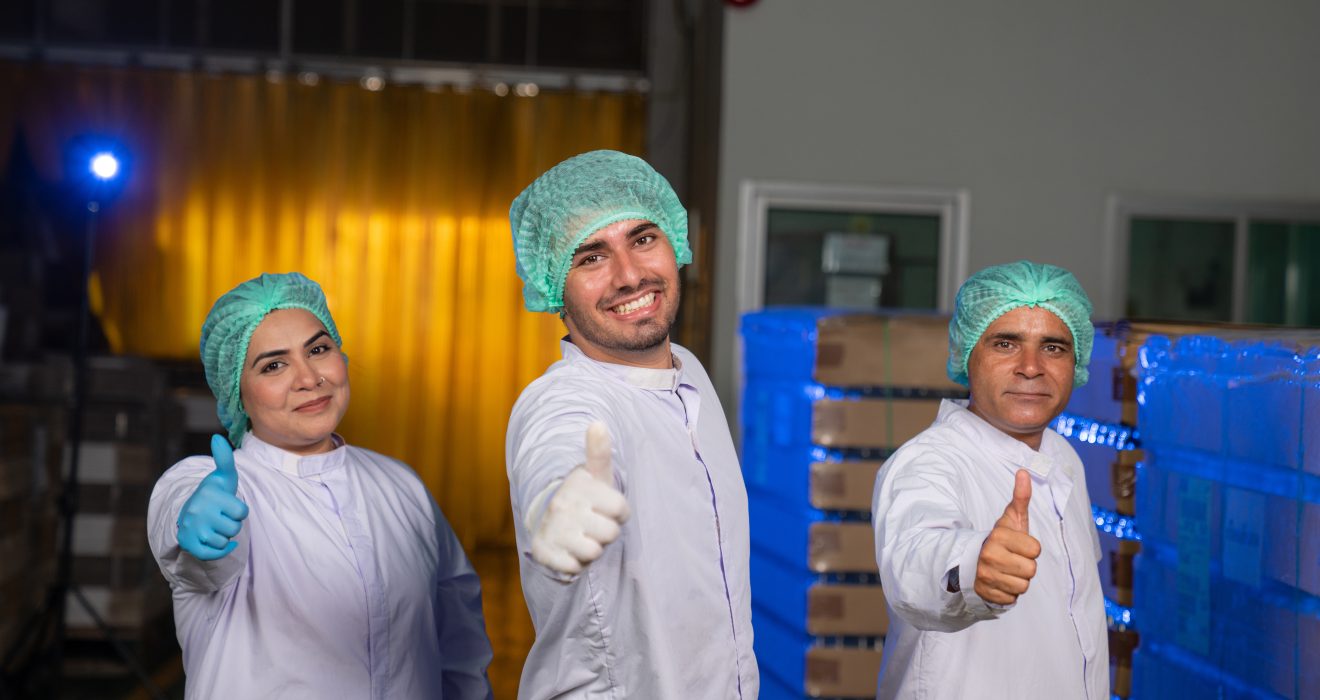
How Halal Certification Works Worldwide
Halal food is an essential part of a Muslim’s life, but with the global food industry becoming increasingly complex, ensuring that food is Halal requires more than personal vigilance. This is where Halal certification comes into play. Halal certification is a process that verifies that food products, beverages, and even services comply with Islamic dietary laws. Understanding how Halal certification works worldwide helps consumers make informed choices and allows businesses to meet the needs of the growing Muslim market.
What is Halal Certification?
Halal certification is an official confirmation that a product, ingredient, or service meets Islamic dietary standards. These standards are based on the Quran, Hadith, and Islamic jurisprudence. Halal certification assures that:
-
Ingredients are permissible (Halal) and free from forbidden (Haram) substances such as pork, alcohol, or non-Halal animal products.
-
The preparation, storage, and handling of food adhere to hygiene and Islamic ethical standards.
-
Cross-contamination with Haram products is avoided.
This certification is issued by recognized Halal authorities or organizations that follow strict inspection protocols.
The Global Halal Certification Process
Although certification procedures vary slightly between countries, the general process follows a similar structure worldwide:
1. Application by Manufacturer or Supplier
A business seeking Halal certification first submits an application to a recognized Halal authority. This can be a food manufacturer, a restaurant, or a hospitality service. The application usually includes details about ingredients, production processes, storage, and handling practices.
2. Ingredient Verification
The Halal authority reviews all ingredients to ensure they are Halal-compliant. Special attention is paid to:
-
Meat and poultry: Must be from animals slaughtered according to Islamic guidelines.
-
Additives: Gelatin, emulsifiers, enzymes, and colorings are inspected for permissible sources.
-
Alcohol or alcohol-derived ingredients: These are strictly prohibited in Halal-certified products.
3. Facility Inspection
Inspectors visit production facilities, kitchens, or factories to evaluate hygiene, equipment, storage, and workflow. They ensure that Halal products are not contaminated by Haram items during preparation, processing, or packaging. Separate areas for Halal and non-Halal production are often recommended.
4. Slaughtering Verification
For meat products, the Halal authority verifies that animals are slaughtered according to Islamic principles. This includes:
-
Animals must be healthy and alive at the time of slaughter.
-
The name of Allah is recited during the process.
-
Blood must be fully drained from the body.
5. Documentation and Approval
Once the inspection and verification are complete, the Halal authority reviews all documentation and confirms compliance. If the product meets all requirements, it receives official Halal certification, often displayed as a logo on packaging for consumer recognition.
6. Periodic Re-Inspection
Halal certification is not a one-time process. Many authorities require annual audits or periodic re-inspections to ensure continued compliance. This helps maintain trust and accountability worldwide.
Halal Certification Around the World
Different countries have their own recognized Halal certification authorities. While the principles remain consistent, local regulations and processes may vary.
-
Malaysia (JAKIM): Jabatan Kemajuan Islam Malaysia is a widely recognized authority that sets strict standards for Halal products.
-
United States (IFANCA): The Islamic Food and Nutrition Council of America certifies a wide range of food products for the U.S. market.
-
United Kingdom (HFA): The Halal Food Authority ensures Halal compliance in foods, restaurants, and catering services.
-
Singapore (MUIS): Majlis Ugama Islam Singapura manages Halal certification and promotes awareness of Halal practices.
-
Middle East: Countries like Saudi Arabia, UAE, and Indonesia have local authorities that inspect both domestic and imported food products for Halal compliance.
These authorities often recognize each other’s certification, which allows Halal products to be exported and sold globally while maintaining consumer trust.
Benefits of Global Halal Certification
1. Consumer Confidence
Muslims worldwide can trust Halal-certified products because they have been thoroughly inspected. Certification ensures that hidden Haram ingredients, cross-contamination, and unethical practices are avoided.
2. Access to Global Markets
For businesses, Halal certification opens doors to the rapidly growing global Muslim market. Countries with high Muslim populations increasingly demand Halal-certified products, making certification essential for exports.
3. Ethical and Hygienic Standards
Halal certification ensures that food is handled ethically and hygienically. Humane treatment of animals, proper hygiene practices, and ethical sourcing of ingredients are all verified through certification.
4. Standardization Across Borders
Global Halal certification provides a standardized framework that allows Muslims to identify permissible food products regardless of where they are produced or sold. This is particularly important for travelers and expatriates.
Challenges in Halal Certification
While Halal certification is beneficial, there are challenges in maintaining consistency worldwide:
-
Differences in local standards and interpretations of Islamic dietary laws can lead to variations in certification.
-
Lack of transparency in ingredient sourcing or supply chains can complicate verification.
-
Some products may claim to be Halal without proper certification, leading to consumer confusion.
Despite these challenges, reputable certification authorities continue to promote consistent standards and increase global awareness about Halal compliance.
Conclusion
Halal certification is a vital process that ensures food and products meet Islamic dietary laws. By verifying ingredients, preparation methods, storage, and ethical practices, Halal certification provides Muslims with the confidence to consume products that align with their faith.
Worldwide, Halal authorities work to maintain standardized practices, allowing consumers to recognize certified products and businesses to access the growing Halal market. Whether for everyday groceries, restaurant meals, or international trade, Halal certification bridges faith, ethics, and modern food safety, making it indispensable for Muslims everywhere.