
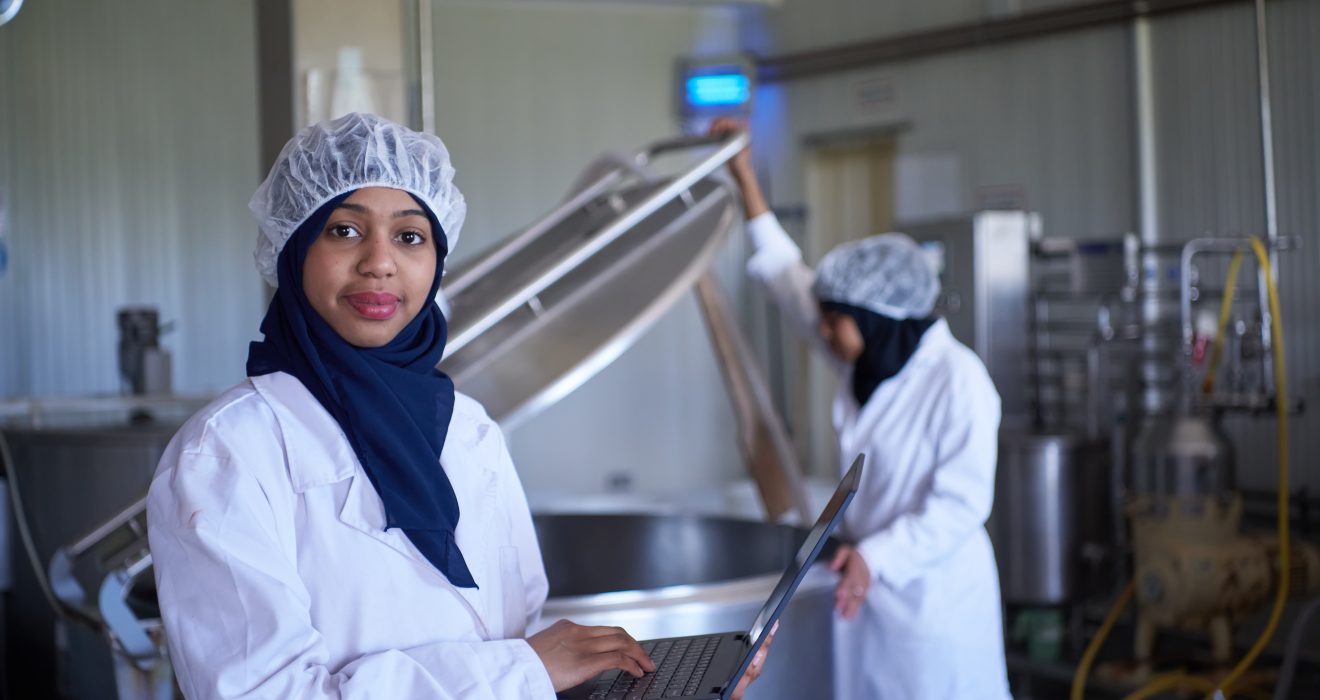
What is Halal Certification and Why It Matters
For Muslims, consuming Halal food is a fundamental aspect of living in accordance with Islamic teachings. While it may seem straightforward to avoid obvious Haram items like pork or alcohol, many modern food products contain hidden ingredients or undergo processes that may not comply with Islamic dietary laws. This is where Halal certification becomes essential. Halal certification provides assurance that food products, beverages, and even services meet strict Islamic guidelines, making it easier for Muslims to maintain a Halal lifestyle.
Understanding Halal Certification
Halal certification is a process by which a food product, restaurant, or manufacturing facility is inspected and verified by a recognized Islamic authority to ensure it complies with Halal standards. These standards are based on the teachings of the Quran and the Sunnah (traditions of the Prophet Muhammad, peace be upon him).
The certification confirms that:
-
Ingredients used are Halal and free from any Haram components such as pork, non-Halal meat, or alcohol.
-
The preparation, processing, and storage of the food adhere to Islamic hygiene and ethical standards.
-
There is no contamination with Haram substances during production, packaging, or handling.
Halal certification applies not only to food but also to beverages, pharmaceuticals, cosmetics, and other consumer products that may come into contact with the body or be ingested.
The Process of Halal Certification
Halal certification is granted after a thorough inspection by a certified Halal authority. The process usually involves:
-
Ingredient Verification – Inspecting all ingredients to ensure they are Halal-compliant and free from Haram substances.
-
Production Audit – Checking the manufacturing process, storage facilities, and hygiene practices to prevent cross-contamination with non-Halal items.
-
Slaughter Inspection – For meat products, verifying that animals are slaughtered according to Halal methods, including the recitation of Allah’s name and proper draining of blood.
-
Documentation and Compliance – Ensuring that all aspects of production and supply chains meet Halal standards, with proper record-keeping.
-
Certification Approval – Once all criteria are met, the product or facility receives official Halal certification, often marked with a recognizable logo for consumer assurance.
This process is repeated periodically to maintain the Halal certification, ensuring ongoing compliance with Islamic standards.
Why Halal Certification Matters
1. Provides Confidence for Muslim Consumers
One of the main benefits of Halal certification is that it gives Muslims confidence that the products they consume are lawful and permissible. With the increasing complexity of modern food supply chains, it can be difficult to determine whether a product contains hidden Haram ingredients. Halal certification removes the uncertainty and allows Muslims to make safe and religiously compliant choices.
2. Ensures Ethical Treatment of Animals
Halal certification guarantees that meat and poultry come from animals slaughtered according to Islamic guidelines. These guidelines emphasize humane treatment, minimal suffering, and respect for the animal. The certification ensures that consumers can trust the ethical and religious standards behind the food they consume.
3. Maintains Cleanliness and Hygiene
Islamic dietary laws place great importance on cleanliness. Halal certification verifies that the entire production process—from ingredient sourcing to packaging—follows strict hygiene practices. This includes preventing contamination with non-Halal substances and ensuring that food is stored and prepared in a sanitary environment.
4. Supports Halal Businesses and Market Growth
Halal certification helps businesses expand in the growing global Halal market. Many countries and international retailers now require Halal certification for products marketed to Muslim consumers. Certified Halal products are increasingly popular, not only among Muslims but also among non-Muslims seeking hygienic, ethically prepared, and high-quality food options.
5. Simplifies Dietary Compliance for Muslims
Halal certification simplifies the process of maintaining a Halal lifestyle. Consumers can quickly identify Halal products by looking for recognized certification logos on packaging. This is particularly helpful for Muslims living in non-Muslim countries or traveling abroad, where food labeling may not always be clear.
Common Halal Certification Authorities
Several organizations around the world provide Halal certification. Some of the well-known authorities include:
-
JAKIM (Malaysia) – Jabatan Kemajuan Islam Malaysia
-
IFANCA (USA) – Islamic Food and Nutrition Council of America
-
HFA (UK) – Halal Food Authority
-
MUIS (Singapore) – Majlis Ugama Islam Singapura
These authorities inspect products, verify compliance, and issue certification recognized by consumers globally.
Conclusion
Halal certification is more than just a label; it is a guarantee that food and products meet strict Islamic standards. It ensures that ingredients, processing methods, and handling are free from Haram substances, provides ethical assurance regarding animal treatment, and maintains high standards of cleanliness and hygiene.
For Muslims, Halal certification offers peace of mind and makes it easier to follow their faith in today’s complex food landscape. For businesses, it opens opportunities in a rapidly expanding global Halal market. Ultimately, Halal certification matters because it bridges faith, ethics, and food safety, helping consumers make informed and responsible choices.